
Why are my carnivorous plants dying? Carnivorous plants often appear delicate, exotic and difficult to grow. In reality, many failures happen because they are treated like ordinary houseplants. Standard potting soil, fertilizer and mineral-rich tap water may be suitable for common indoor plants but can gradually kill a carnivorous species.
Most carnivorous plants evolved in acidic, nutrient-poor habitats where the soil contains very few available minerals. They developed traps to obtain nutrients from insects and other small organisms. Their roots are therefore highly sensitive to fertilizer salts, calcium and unsuitable growing media.
A plant that turns brown, stops producing traps or loses its sticky coating is not always diseased. The cause may be hard water, insufficient light, a lack of winter dormancy, root rot, dry air or an inappropriate substrate. Correct diagnosis begins with identifying the exact plant.
A Venus flytrap, tropical pitcher plant, sundew, North American pitcher plant and butterwort do not have identical requirements. Advice that benefits one group may damage another.
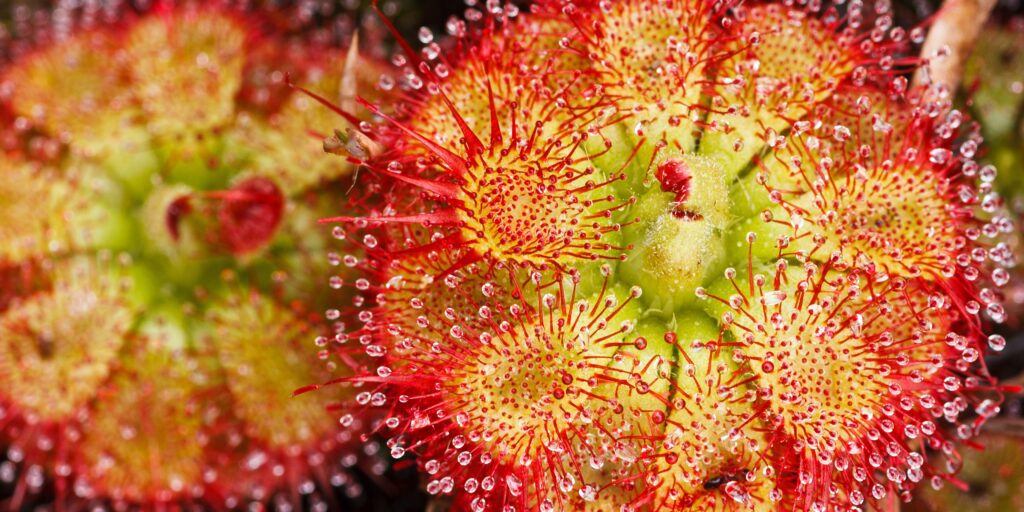
Identify the Type of Carnivorous Plant
The term carnivorous plant includes hundreds of species from tropical, subtropical and temperate climates.
Commonly grown groups include:
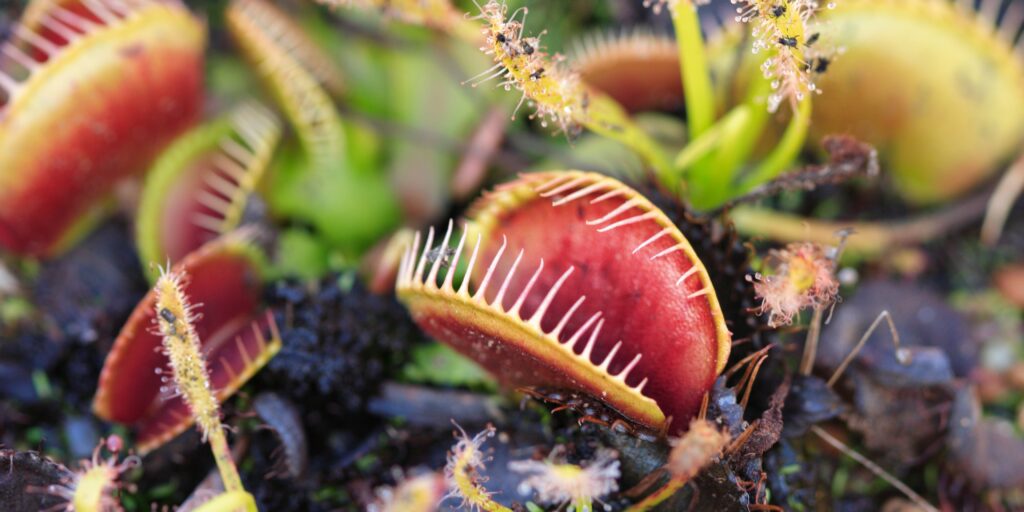
- Venus flytraps, Dionaea muscipula,
- sundews, Drosera,
- tropical pitcher plants, Nepenthes,
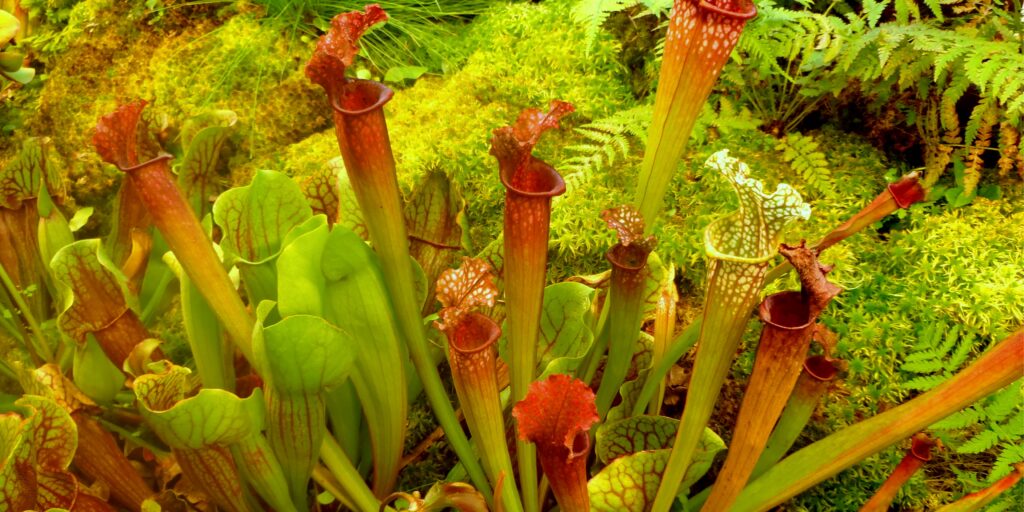
- North American pitcher plants, Sarracenia,
- butterworts, Pinguicula,
- bladderworts, Utricularia,
- sun pitchers, Heliamphora,
- cobra lilies, Darlingtonia californica.
Venus flytraps and most Sarracenia need intense sunlight and a cool winter dormancy. Tropical Nepenthes remain active throughout the year and usually require warm temperatures and bright filtered light.
Some sundews grow continuously in warm conditions. Others become dormant, form winter buds or disappear below the surface.
Without an accurate identification, it is impossible to know whether the plant should stand in water, remain warm in winter or experience several months of cool rest.
Why are my carnivorous plants dying? Mineral-Rich Water Is the Most Common Problem
Tap water often contains calcium, magnesium, sodium and other dissolved minerals. Each watering leaves some of these substances behind in the potting medium.
Carnivorous plants are adapted to extremely low-mineral environments. As salts accumulate, the roots become damaged and the plant gradually weakens.
Signs of mineral damage include:
- brown leaf tips,
- blackening traps,
- white crust on the soil,
- slow growth,
- distorted new leaves,
- loss of dew on sundews,
- root decline,
- a shrinking growth point.
The safest water sources are:
- clean rainwater,
- distilled water,
- reverse-osmosis water,
- naturally very soft water with low dissolved solids.
Boiling tap water does not reliably remove dissolved minerals. Allowing it to stand may reduce chlorine, but it does not solve hardness.
How to Rescue a Plant Watered With Hard Water
Stop using tap water and switch to rainwater, distilled water or reverse-osmosis water.
Flush the potting medium thoroughly with suitable water. Allow a large volume to run freely through the drainage holes.
If mineral accumulation is severe, repot the plant. Remove the old medium carefully without tearing healthy roots.
Use a clean pot and fresh low-nutrient material appropriate for the species.
The plant may remain stressed for several weeks. Damaged old leaves will not recover, so judge success by the condition of new growth.
Ordinary Potting Soil Can Kill Carnivorous Plants
Standard houseplant compost contains humus, nutrients and often added fertilizer. It is unsuitable for most carnivorous plants.
Avoid:
- universal potting soil,
- garden soil,
- compost,
- soil containing slow-release fertilizer,
- herb compost,
- cactus compost,
- enriched organic mixtures,
- fresh manure.
Carnivorous plant roots are not adapted to high fertility. Rich compost can burn the root system even when the soil remains moist.
Choosing the Correct Growing Medium
Many bog species are grown in unfertilized acidic peat mixed with perlite or silica sand.
For Venus flytraps, Sarracenia and many sundews, suitable options may include:
- pure unfertilized peat,
- peat mixed with perlite,
- peat mixed with washed silica sand.
Nepenthes generally need a more open mixture containing materials such as:
- long-fiber sphagnum moss,
- perlite,
- fine unfertilized orchid bark,
- airy epiphytic material,
- carefully prepared low-salt coconut fiber.
Some Mexican butterworts prefer a much more mineral and open mix with relatively little organic material.
Do not use unknown builders’ sand. It may contain limestone and raise the pH.
Old Potting Medium Becomes Compacted
Even the correct material decomposes with time. Peat and sphagnum may collapse, reducing oxygen around the roots.
Signs that the medium is old include:
- a sour or swampy smell,
- water remaining on the surface,
- a dense slimy texture,
- recurring mold,
- root rot,
- slow growth,
- an unstable plant.
Repotting may be needed every one to three years depending on the plant, water quality and decomposition rate.
Nepenthes are especially sensitive to old, permanently wet and airless material.

Insufficient Light Causes Weak Traps
Many carnivorous plants need far more light than ordinary houseplants. A Venus flytrap placed on a shelf several meters from a window may survive temporarily but will not remain healthy.
Low-light symptoms include:
- pale leaves,
- long weak growth,
- small traps,
- poor red coloration,
- sundews without sticky droplets,
- Nepenthes without pitchers,
- slow growth,
- increased risk of rot.
Venus flytraps and Sarracenia need intense light and often perform best in direct outdoor sun during the growing season.
Nepenthes usually prefer bright indirect light. Many tolerate gentle morning or evening sun, but harsh midday sun through glass may scorch the leaves.
How to Increase Light Safely
Move the plant closer to a suitable window. South-facing, southeast-facing and southwest-facing positions are often useful.
Temperate bog plants can frequently be grown outdoors during the warm season. Natural sun and air movement improve color and strength.
Do not move a shade-grown plant directly into all-day sun. Increase exposure gradually over one or two weeks.
Where natural light is inadequate, use a proper grow light. A weak decorative lamp will not provide enough intensity.
Too Much Sun Can Cause Scorch
A sudden increase in light can burn leaves.
Symptoms include:
- dry tan patches,
- bleached areas,
- daytime wilting,
- damage only on the window-facing side,
- rapid drying of tender new growth.
Burned tissue will not recover. Move the plant to gentler light and acclimate it more gradually.
Tropical Nepenthes and some tropical sundews are often more sensitive than Venus flytraps and Sarracenia.
Venus Flytraps Need Winter Dormancy
A Venus flytrap is not a tropical plant. It comes from a climate with cool winters and requires a dormant period.
During dormancy:
- old traps turn black,
- new leaves remain small,
- growth stays close to the soil,
- water use decreases,
- the plant may appear unhealthy.
This can be completely natural. The central growing point should remain firm rather than soft or rotten.
Keeping a flytrap warm in a dim room throughout winter can exhaust it. It needs several months of cool conditions and adequate light.
Sarracenia Also Require Winter Rest
Most commonly cultivated North American pitcher plants are temperate perennials. Their old pitchers naturally brown in autumn and winter.
During dormancy, provide:
- cool temperatures,
- adequate light,
- moist but fresh medium,
- air circulation,
- protection of the pot from extreme freezing.
Dry dead pitchers may be removed. Leave any green tissue that can still photosynthesize.
Nepenthes Do Not Need Dormancy
Tropical pitcher plants remain active throughout the year. Low temperatures and cold drafts may damage them.
Lowland Nepenthes prefer warm nights. Highland types appreciate cooler nighttime temperatures.
Many common hybrids adapt to normal indoor conditions if they receive bright light, stable warmth and healthy root conditions.
Why a Nepenthes Stops Producing Pitchers
A pitcher plant may continue growing leaves without forming traps.
The most common reason is insufficient light.
Other causes include:
- low humidity,
- damaged roots,
- hard water,
- decomposed potting medium,
- low temperatures,
- transplant stress,
- frequent movement,
- unstable watering,
- a very young plant.
A tendril develops at the end of each leaf. Under suitable conditions, the tip enlarges and becomes a pitcher.
This process may take several weeks. Sudden changes can cause the developing pitcher to dry before it inflates.
High Humidity Without Airflow
A closed terrarium is not automatically ideal. Excessive humidity combined with stagnant air encourages mold and rot.
Venus flytraps and Sarracenia do not need sealed terrariums. They generally prefer strong light and good ventilation.
Nepenthes appreciate higher humidity, but they also need fresh air.
Poorly ventilated humidity can cause:
- soft weak leaves,
- fungal spots,
- crown rot,
- mold on the medium,
- very slow drying around roots.
Air That Is Too Dry
Nepenthes may stop producing pitchers in very dry indoor air. Tendrils and leaf tips may turn brown.
Helpful measures include:
- using a humidifier,
- grouping plants,
- placing the pot above damp expanded clay,
- moving it away from a radiator,
- maintaining stable temperature.
The base of a Nepenthes pot should not remain submerged. A pebble tray is intended to raise local humidity, not keep the roots waterlogged.
Which Plants Can Stand in Water?
Venus flytraps, Sarracenia and many bog-growing sundews can sit in a shallow tray of suitable water during active growth.
Nepenthes should usually be watered from above and allowed to drain. Constant standing water may suffocate the roots.
Butterwort requirements vary. Mexican butterworts often need significantly less water when they form their winter succulent rosettes.
Always match the watering method to the species.
Letting the Medium Dry Completely
Bog carnivorous plants can be seriously damaged by a short period of severe dryness.
Symptoms may include:
- collapsed leaves,
- black traps,
- loss of dew,
- a drying growth point,
- pitcher loss,
- sudden growth stoppage.
Dry peat can repel water. Soak the pot from below until the medium becomes evenly moist again.
After severe dehydration, protect the plant temporarily from the strongest sun while it recovers.
Waterlogging and Root Rot
Bog conditions still contain oxygen. Old compacted medium and stagnant water can create anaerobic conditions.
The risk is higher with:
- Nepenthes,
- closed pots without drainage,
- low temperatures,
- insufficient light,
- decomposed medium,
- permanently deep water.
Signs of rot include:
- a foul smell,
- a black soft crown,
- dark slimy roots,
- wilting in wet soil,
- dying new leaves,
- a plant that pulls easily from the pot.
Remove rotten tissue with sterilized tools and repot into fresh airy material.
Fertilizer Can Burn Carnivorous Plants
Ordinary plant food is dangerous when applied to the roots.
Avoid:
- fertilizer sticks,
- slow-release granules,
- compost tea,
- coffee grounds,
- banana peel mixtures,
- universal liquid fertilizer,
- rich organic additives.
A well-lit plant can grow without root fertilizer.
Experienced growers sometimes use extremely dilute foliar feeding or carefully controlled trap feeding. Beginners are safer avoiding fertilizer entirely.
Carnivorous Plants Do Not Need Constant Feeding
Do not put human food into traps.
Avoid:
- meat,
- cheese,
- processed food,
- sweets,
- oversized insects,
- filling every trap at once.
Food that is too large may rot before it is digested.
Outdoor plants catch their own prey. Indoor plants can remain healthy without regular feeding if their light and roots are suitable.
Do Not Trigger Flytrap Traps for Entertainment
Closing a trap costs energy. Each trap can open only a limited number of times.
Repeated touching without prey causes premature death of the leaf. One black trap is normal, while widespread blackening of new growth requires investigation.
Old Traps Naturally Die
Carnivorous leaves have a limited lifespan. After several captures or with age, they turn black or brown.
A completely dry dead trap may be trimmed with clean scissors. Leave any green part attached.
If only the oldest leaves are dying while new growth continues, the plant is probably healthy.
A Sundew Without Dew
Sticky droplets form only under suitable conditions.
A sundew may lose its dew because of:
- low light,
- hard water,
- dry medium,
- very dry air,
- transplant stress,
- pests,
- seasonal dormancy.
Insufficient light is the most common cause. Move the plant to a brighter position and use low-mineral water.
New leaves should begin producing droplets. Old damaged leaves may remain dry.
Butterworts Can Change With the Seasons
Some Mexican butterworts produce broad sticky carnivorous leaves during the warm wet season. During a drier winter phase, they form a smaller succulent rosette.
This is a natural adaptation. Watering should be reduced during the succulent phase.
A smaller firm rosette may be healthy. A soft black center and unpleasant smell indicate rot.
Shock After Purchase
A plant from a greenhouse may have been grown under intense light, high humidity and stable temperatures.
After moving home, it may:
- lose traps,
- stop producing dew,
- drop pitchers,
- slow down,
- produce smaller leaves.
Do not repot immediately unless the medium is clearly unsuitable. First provide correct water, light and a stable location.
Nepenthes often lose old pitchers after a major environmental change. Continued leaf growth is a positive sign.
The Wrong Type of Pot
Plastic pots are usually safest because they do not release minerals and retain moisture.
Unglazed terracotta may release salts and dry the medium rapidly. It is unsuitable for many bog species.
The container needs drainage holes. A sealed decorative pot may create stagnant, oxygen-poor conditions.
Pests on Carnivorous Plants
Carnivorous plants can still be attacked by pests.
Common problems include:
- aphids,
- spider mites,
- thrips,
- mealybugs,
- scale insects,
- fungus gnats.
Aphids hide in new growth and distort leaves. Spider mites cause pale speckling and webbing. Fungus gnats often indicate old, wet organic medium.
Isolate the plant and begin with mechanical removal. Confirm that any pesticide is safe for the exact species before use.
Mold on the Surface
White mold may be growing only on dead organic material.
It is encouraged by:
- stagnant air,
- low light,
- dead leaves,
- cool temperatures,
- old medium,
- excessive humidity.
Remove dead tissue and improve ventilation. Replace the medium if it smells sour or has collapsed.
Mold growing directly in the crown or on living tissue is more serious.
Why Carnivorous Plants Turn Brown
Possible reasons include:
- natural leaf aging,
- hard water,
- mineral accumulation,
- dry air,
- drought,
- sun scorch,
- root rot,
- winter dormancy,
- fertilizer damage,
- environmental shock,
- excessive feeding.
Dry tips often relate to water quality or humidity. Soft dark patches suggest rot. Gradual death of old traps may be normal.
A Step-by-Step Rescue Plan
First identify the plant. Then check:
- water quality,
- potting medium,
- light intensity,
- drainage holes,
- root and crown condition,
- temperature,
- pests,
- dormancy requirements.
Replace hard water immediately. Repot if the medium contains fertilizer, smells bad or has become compacted.
Remove only completely dead or rotten material. Keep green leaves because they still provide energy.
After correcting conditions, leave the plant in a stable place. New healthy growth may take several weeks.
Frequently Asked Questions About Carnivorous Plant Problems
Can I Use Tap Water?
Only if it is exceptionally soft and contains very few dissolved minerals. Rainwater, distilled water or reverse-osmosis water is safer.
Why Are My Venus Flytrap Traps Turning Black?
Individual old traps die naturally. Widespread blackening may result from hard water, rot, insufficient light, unsuitable feeding or winter dormancy.
Why Does My Sundew Have No Dew?
The most common cause is insufficient light. Hard water, dryness, low humidity and transplant stress may also be responsible.
Why Is My Nepenthes Not Producing Pitchers?
It may need more light, higher humidity, warmer temperatures or healthier roots. Environmental shock is also common.
Should I Fertilize Carnivorous Plants?
Ordinary root fertilizer is not recommended. Beginners should usually avoid fertilizing them.
Can I Feed Them Meat?
No. Meat, cheese and processed food rot inside traps and may damage the plant.
Do Carnivorous Plants Need a Terrarium?
Venus flytraps and Sarracenia do not. Nepenthes may appreciate higher humidity but still require airflow.
Why Does My Venus Flytrap Look Dead in Winter?
It may be dormant. Old traps die and growth remains low. The central growing point should stay firm.
Can Carnivorous Plants Grow Outdoors?
Venus flytraps, Sarracenia and some sundews grow very well outdoors during the appropriate season. Tropical species must be protected from cold.
How Do I Recognize Rot?
Roots or the central crown become dark, soft and sometimes foul-smelling. The plant wilts even though the medium is wet.
How Often Should I Feed a Carnivorous Plant?
Regular feeding is unnecessary. Outdoor plants catch prey naturally, and indoor plants can grow without added insects.
Should I Cut Off Black Traps?
Completely black and dry traps may be removed with clean scissors. Leave any green tissue attached.
Discover more plant-related articles and tips on our blog HERE.
Don’t forget to follow us on social media so you don’t miss any important news and updates HERE.