



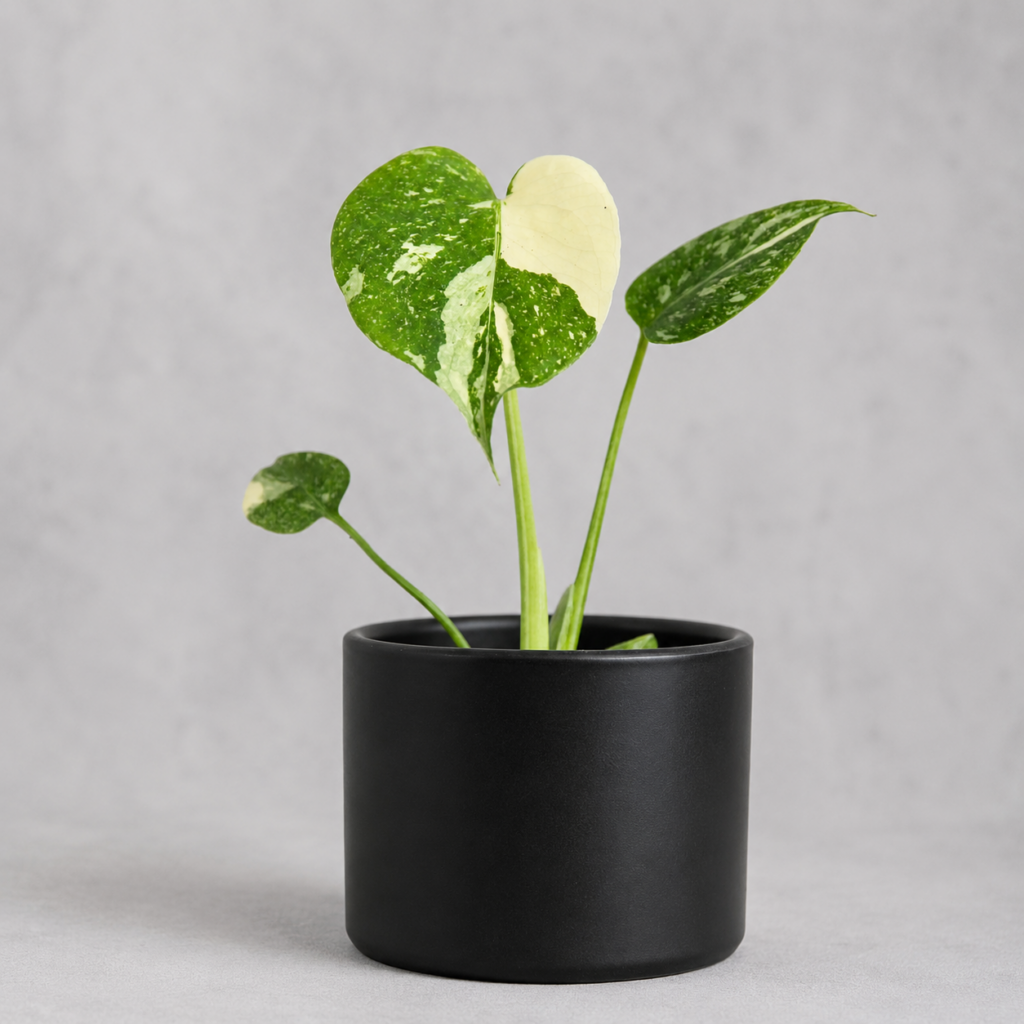
Carnivorous plants often appear delicate, exotic and difficult to grow. In reality, many failures happen because they are treated like ordinary houseplants. Standard potting soil, fertilizer and mineral-rich tap water may be suitable for common indoor plants but can gradually kill a carnivorous species.
Read More ...



Fig Tree Ficus carica: Growing, Pruning, Winter Care and a Reliable Fig Harvest
The common fig tree, botanically known as Ficus carica, is one of the oldest cultivated fruit plants in the world. It originates from warmer parts of the Mediterranean region and western Asia, but carefully selected cultivars can also be grown successfully in cooler European climates. In warm, sheltered areas, a ...
Read More ...
Buddleia: Growing, Pruning, Care and Encouraging Abundant Flowers
Buddleia is one of the most popular flowering shrubs for sunny gardens. During summer, it produces long clusters made up of hundreds of small, often fragrant flowers. These blooms attract butterflies, bees and other pollinating insects, which is why the plant is widely known as the butterfly bush.
Read More ...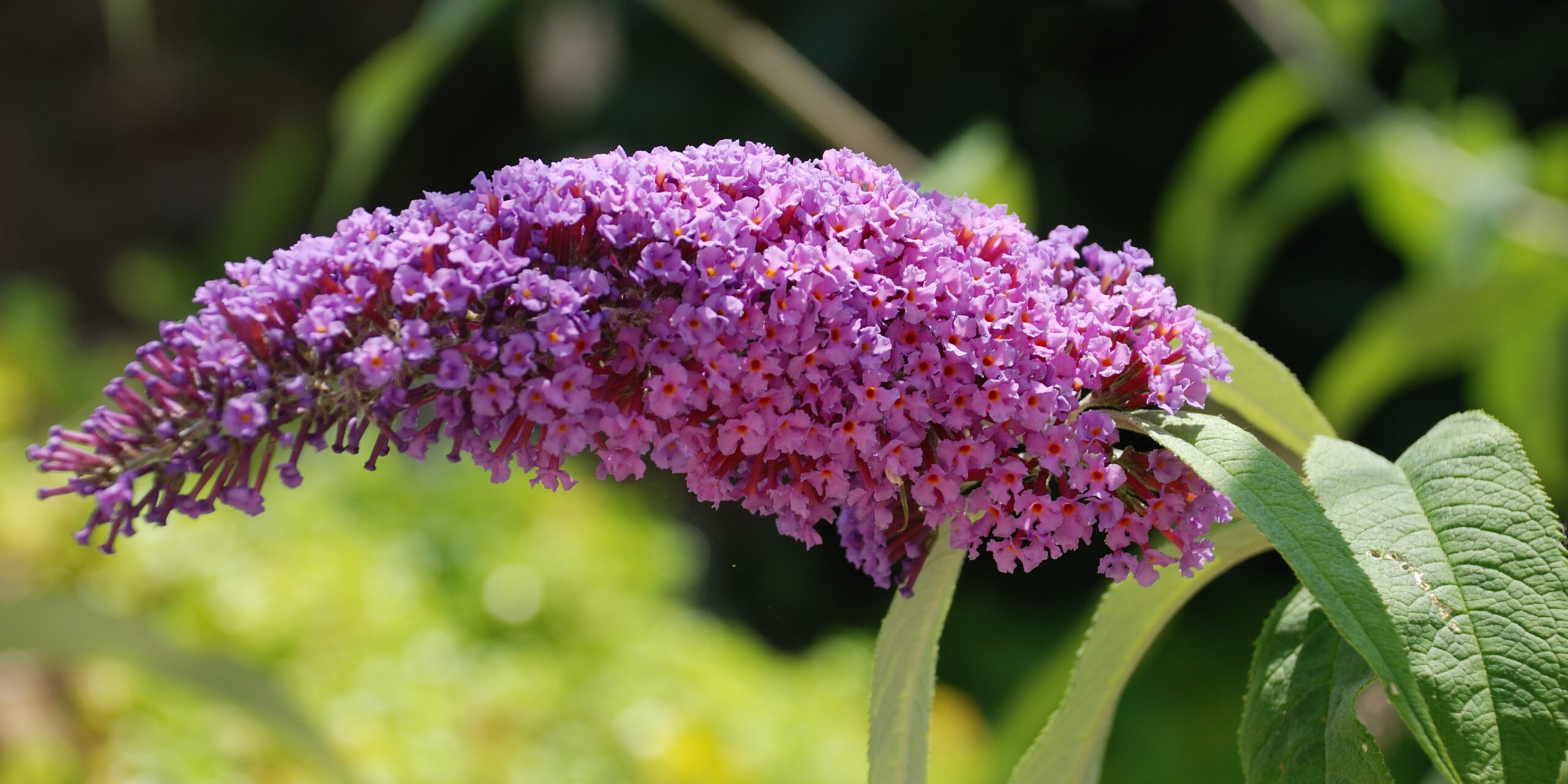
Hibiscus Pests: How to Identify, Remove and Prevent Them
Hibiscus plants are popular for their large, colorful flowers and lush green foliage. They can be grown as tropical houseplants, patio plants, hardy garden shrubs or large flowering perennials. Although a healthy hibiscus can grow quickly, several pests may attack its leaves, stems, roots, buds and flowers.
Read More ...