

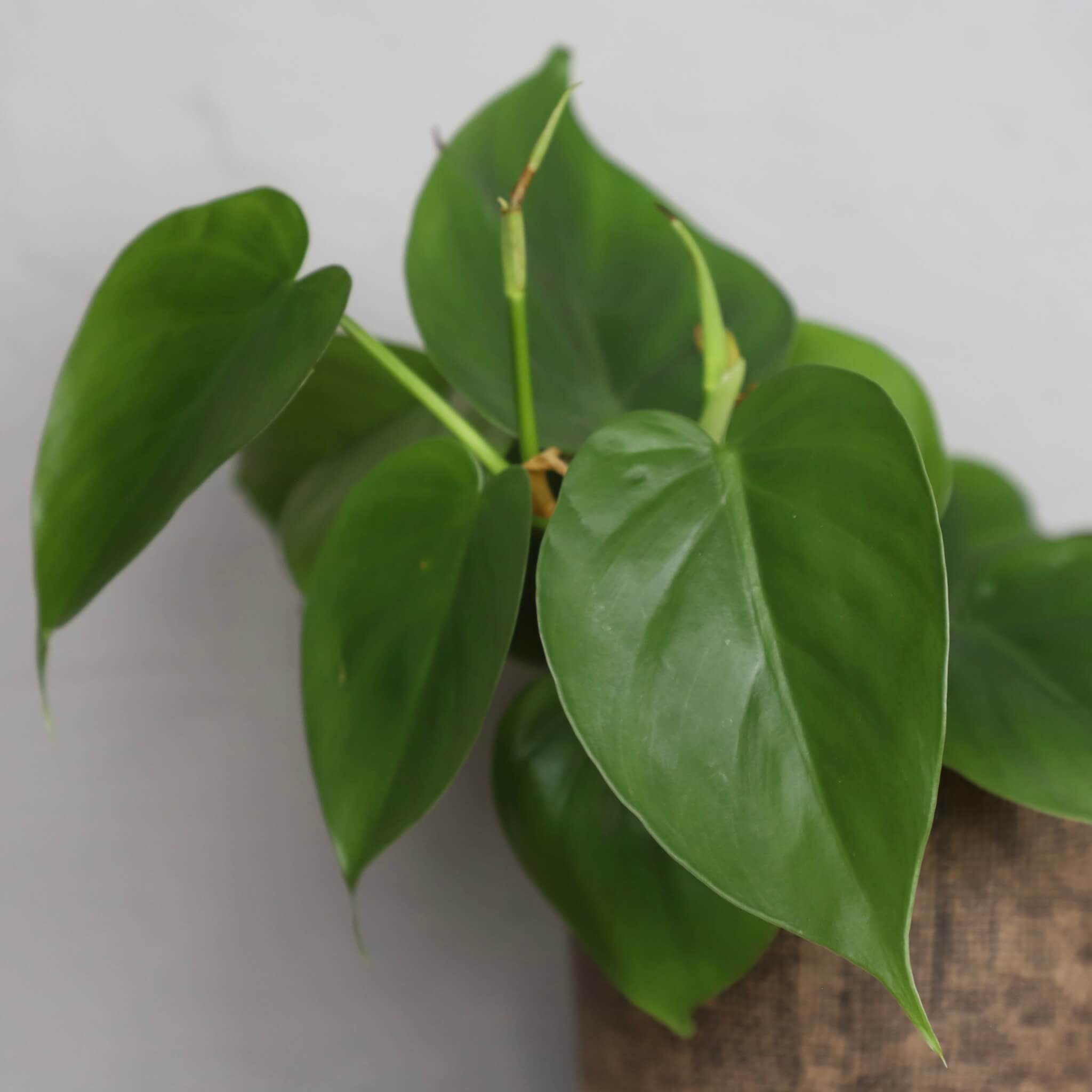
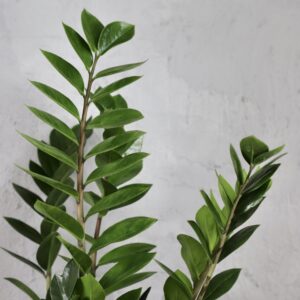
Philodendron scandens
Philodendron scandens, commonly known as the Heartleaf Philodendron, is a popular tropical houseplant admired for its elegant, heart-shaped leaves and graceful trailing growth. Its glossy foliage develops in rich shades of green, bringing a fresh and naturally calming appearance to homes, offices and commercial interiors.
This adaptable plant produces long, flexible stems that can cascade beautifully from shelves, hanging planters and tall plant stands. It can also be trained to climb a moss pole, trellis or other support, encouraging more upright growth and the development of larger leaves.
Philodendron scandens is relatively undemanding and adapts well to normal indoor conditions. Its attractive appearance, fast growth and uncomplicated care make it an excellent choice for beginners as well as experienced plant lovers.
Why You Will Love Philodendron scandens
- Glossy, heart-shaped green leaves
- Fast-growing and easy to care for
- Suitable for trailing or climbing
- Ideal for shelves and hanging planters
- Adapts to a range of indoor conditions
- Easy to prune and shape
- A wonderful choice for beginners
Light
Place Philodendron scandens in bright, indirect light for healthy, compact growth. A position near a window with filtered sunlight is ideal.
The plant can tolerate partial shade and lower-light conditions, although its growth may become slower and the spaces between the leaves may become longer. Avoid prolonged exposure to strong direct sunlight, which can scorch the foliage and cause dry or faded patches.
Rotate the pot occasionally so that all sides receive even light and the plant develops a balanced shape.
Watering
Water when the upper layer of the substrate feels dry. The soil should remain lightly moist during active growth, but it should never stay permanently wet or waterlogged.
Water thoroughly and allow all excess moisture to drain from the pot. Never leave the plant standing in water, as prolonged moisture around the roots may cause yellow leaves and root rot.
Reduce watering during autumn and winter when growth naturally slows. Always check the substrate before watering rather than following a fixed schedule.
Humidity
Philodendron scandens adapts well to normal household humidity but appreciates moderately humid conditions. Higher humidity can encourage lush growth and help prevent dry, brown leaf edges.
Keep the plant away from radiators, heaters, cold drafts and strong air-conditioning. In particularly dry rooms, a humidifier or grouping the plant with other tropical houseplants can help create a more suitable environment.
Temperature
The ideal temperature is approximately 18–27 °C. Warm and stable indoor conditions encourage regular growth and healthy new foliage.
Protect the plant from sudden temperature changes, cold windows and prolonged exposure to temperatures below 15 °C. Cold conditions combined with wet soil can damage the roots and stems.
Soil and Fertilising
Use a light, airy and well-draining substrate suitable for tropical houseplants. A mixture containing quality houseplant soil, coconut fibre, perlite and orchid bark provides a good balance of moisture retention, drainage and airflow around the roots.
Feed with a diluted, balanced houseplant fertiliser approximately once every three to four weeks during spring and summer. Reduce or stop fertilising during autumn and winter when the plant grows more slowly.
Avoid excessive fertilising, as accumulated salts in the substrate may damage the roots and cause brown leaf edges.
Growth and Support
Philodendron scandens can be grown as either a trailing or climbing plant. Allow its stems to cascade naturally from a hanging planter or shelf, or provide a moss pole, trellis or wooden support for upright growth.
When allowed to climb, the aerial roots can attach to the support and the plant may gradually produce larger leaves. Secure the stems gently without tying them too tightly.
Trim long or uneven stems when necessary to maintain the desired shape. Regular pruning can also encourage fuller and more compact growth.
Propagation
Philodendron scandens is easy to propagate from stem cuttings. Select a healthy section of stem containing at least one node and place it in water or directly into a lightly moist growing medium.
Keep the cutting in bright, indirect light and warm conditions while new roots develop. Once the root system is established, the young plant can be transferred to a suitable pot.
Repotting and General Care
Repot when the roots fill the container or begin growing through the drainage holes. Spring and early summer are the best times for repotting, as the plant is actively growing.
Choose a pot only slightly larger than the current container and ensure that it has drainage holes. An excessively large pot may hold too much moisture and increase the risk of root problems.
Wipe the leaves occasionally with a soft, damp cloth to remove dust and maintain their natural shine. Remove yellow or damaged leaves using clean tools.
Important Information
Philodendron scandens contains calcium oxalate crystals and should not be consumed. Keep it away from children and pets that may chew its leaves or stems.
Each plant is naturally unique. Its height, fullness, leaf shape and colouring may vary slightly from the product photographs.
More houseplants can be found HERE.

Reviews
There are no reviews yet.