
Hibiscus plants are popular for their large, colorful flowers and lush green foliage. They can be grown as tropical houseplants, patio plants, hardy garden shrubs or large flowering perennials. Although a healthy hibiscus can grow quickly, several pests may attack its leaves, stems, roots, buds and flowers.
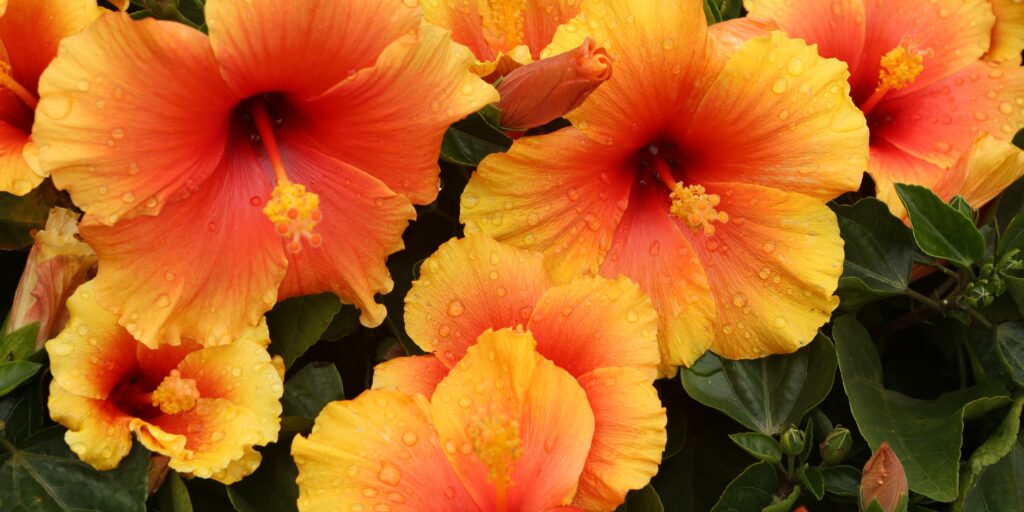
The most common hibiscus pests include aphids, whiteflies, spider mites, thrips, scale insects, mealybugs and caterpillars. Outdoor plants may also be damaged by slugs, snails and leaf-eating insects. Potted hibiscus plants can develop fungus gnat problems when the growing medium remains wet for too long.
Some pests suck sap from the plant, while others chew holes in the leaves. Affected plants may develop sticky foliage, yellow spots, distorted growth, webbing, bud drop or leaf loss. Early identification makes treatment much easier.
Which Hibiscus Plants Get Pests?
Pests can attack tropical hibiscus, hardy shrub hibiscus and perennial hibiscus.
Tropical hibiscus, Hibiscus rosa-sinensis, is commonly grown in containers. It may spend summer outdoors and winter inside. Pests are frequently brought indoors when the plant is moved at the end of the season.
Hardy shrub hibiscus, Hibiscus syriacus, grows outdoors throughout the year. Aphids, spider mites, caterpillars and leaf-feeding insects may attack its new growth.
Large-flowered perennial hibiscus plants produce soft spring shoots that can attract aphids, slugs and chewing insects.
Indoor hibiscus plants are particularly vulnerable during winter because reduced light and dry heated air can weaken the plant while favoring certain pests.
Signs of Pests on Hibiscus
Many hibiscus pests are small and hide beneath leaves or inside flower buds. Regular inspection is important.
Common signs include:
- sticky leaves,
- curled new growth,
- distorted shoots,
- yellow spotting,
- pale speckling,
- fine webbing,
- black surface coating,
- white cotton-like material,
- brown bumps on stems,
- holes in leaves,
- falling buds,
- premature leaf drop,
- slow growth,
- wilting despite moist soil.
Examine the upper and lower surfaces of leaves, young stems, buds, leaf joints and the surface of the potting mix. A magnifying glass can help identify very small pests.
For suspected spider mites, hold a sheet of white paper beneath a branch and tap the foliage gently. Tiny moving dots may be mites.
Aphids on Hibiscus
Aphids are among the most common hibiscus pests. They gather on soft shoot tips, new leaves and flower buds.
They may be green, black, yellow, brown or gray. Aphids insert their mouthparts into plant tissue and feed on sap.
Affected leaves become curled, twisted and stunted. Buds may fail to open or fall from the plant.
Aphids produce a sugary liquid called honeydew. This makes leaves, floors and nearby objects sticky. A dark fungal coating called sooty mold may grow on the honeydew.
Ants are often attracted to infested hibiscus plants. They collect honeydew and may protect aphid colonies from natural predators.
How to Remove Aphids
A light infestation can often be removed with water. Spray an outdoor hibiscus with a garden hose or wash an indoor plant in the shower.
Prune heavily infested shoot tips. Seal removed plant material in a bag before disposal.
Insecticidal soap or horticultural oil can be used if water alone is not enough. The product must contact the aphids directly, so spray beneath the leaves and around the buds.
Repeat treatment according to the label. One application may not remove newly hatched aphids.
Avoid using concentrated homemade detergent solutions. Household cleaners may burn hibiscus leaves.
Whiteflies on Hibiscus
Whiteflies are tiny white flying insects that rest on the undersides of leaves. When the plant is disturbed, adults rise into the air in a small cloud.
Young whiteflies remain attached to the leaves and suck plant sap. Infested leaves may turn yellow, become weak and fall prematurely.
Whiteflies also produce honeydew. Sticky foliage and sooty mold may therefore appear.
Warm indoor rooms, greenhouses and conservatories provide ideal conditions for rapid whitefly reproduction.
How to Control Whiteflies
Move an infested indoor hibiscus away from other plants. Adult whiteflies can fly to nearby pots.
Yellow sticky traps can reduce and monitor the adult population. They do not control eggs and immature stages on the leaves.
Wash the plant and remove heavily infested leaves. Apply insecticidal soap, horticultural oil or another product labeled for whitefly control.
Repeat applications are usually required because different life stages are present at the same time.
Clean windowsills, outer pots and nearby surfaces during treatment.
Spider Mites on Hibiscus
Spider mites are tiny sap-feeding pests related to spiders. They thrive in warm, dry conditions and are especially common on indoor hibiscus during winter.
Early damage appears as tiny pale dots on the leaves. As feeding continues, the foliage becomes dull, yellow or bronze.
Fine webbing between leaves and stems indicates a more advanced infestation. Leaves may dry and fall, while flower buds fail to develop.
Spider mites usually gather on the undersides of leaves. They can multiply very quickly in dry air near a radiator.
How to Get Rid of Spider Mites
Isolate the hibiscus immediately. Wash the plant thoroughly, directing water toward the lower surfaces of the leaves.
Remove the most severely damaged foliage, but do not strip the plant of all its leaves.
Use a product specifically labeled for mites. Spider mites are not insects, so an ordinary insecticide may not control them. A miticide or a product with confirmed activity against spider mites may be necessary.
Repeat treatment according to the instructions. Eggs and newly hatched mites can survive a single application.
Increase humidity moderately and keep the plant away from direct heating. Good airflow is still important.
Thrips on Hibiscus
Thrips are tiny slender insects that often hide inside flower buds and blooms. They damage the surface cells of leaves and petals.
Leaves may develop silver streaks, scars and tiny black dots. Flowers can become distorted or develop brown edges.
Infested buds may turn yellow and fall before opening. Because thrips hide inside flowers, they can remain unnoticed for some time.
Adult thrips can fly between plants. Part of the life cycle may also occur in the potting medium.
How to Control Thrips
Remove damaged flowers and buds. In a severe infestation, removing all flowers temporarily may reduce hiding places.
Blue or yellow sticky traps help monitor adults but do not eliminate the entire population.
Wash the plant and apply a product labeled for thrips. Cover the leaves, buds, shoot tips and leaf joints.
Repeat treatment according to the product directions. If the infestation continues, replace the top layer of potting mix or use an appropriate biological treatment for soil stages.
Scale Insects on Hibiscus
Scale insects appear as small brown, gray or greenish bumps attached to stems, leaf veins and the undersides of leaves.
Adult scale insects barely move. Their bodies are protected by a waxy or shell-like covering.
They feed on sap and may produce honeydew. Affected hibiscus plants gradually weaken, turn yellow and lose leaves.
Scale can be mistaken for natural bumps on the bark. Try gently lifting one with a fingernail or cotton swab.
How to Remove Scale Insects
A small number can be removed individually with a cotton swab or soft cloth. A tiny amount of rubbing alcohol applied directly to each insect may help, but test the plant first.
Prune heavily infested stems. Disinfect cutting tools afterward.
Apply horticultural oil or another product labeled for scale insects. Oils work by covering the pest and interfering with breathing.
Repeat treatment because newly hatched crawler stages appear over time. Young scale insects are generally easier to control than mature adults.
Mealybugs on Hibiscus
Mealybugs look like white cottony clusters. They hide in leaf joints, around buds, beneath leaves and along stems.
They feed on sap and produce honeydew. Sooty mold may develop on sticky leaves.
The plant may become distorted, weak and slow-growing. Severe infestations can cause leaf and bud drop.
Some mealybugs attack roots. Root mealybugs may appear as white waxy material in the potting mix or around the roots.
How to Remove Mealybugs
Remove visible mealybugs with a cotton swab lightly moistened with rubbing alcohol. Work carefully around young tissue.
Wash the plant and inspect all hidden areas. Prune heavily infested parts.
Use insecticidal soap, horticultural oil or another suitable product. Repeated treatment is essential because eggs and small insects can remain hidden.
For root mealybugs, remove the plant from its pot, discard the old potting mix, wash the roots and repot in a clean container with fresh medium.
Caterpillars on Hibiscus
Caterpillars chew irregular holes in hibiscus leaves. Some feed along the edges, while others hide in folded leaves or flower buds.
Green, brown or striped caterpillars may be difficult to see. Dark droppings on leaves or beneath the plant can reveal their presence.
A small number can be removed by hand. Inspect the plant in the morning or evening when caterpillars may be more active.
A biological product containing Bacillus thuringiensis may be used against suitable caterpillar species. It is most effective on young larvae.
Slugs and Snails
Slugs and snails commonly damage young outdoor hibiscus shoots. They create irregular holes and may destroy emerging stems.
Shiny slime trails are a clear sign. During the day, the pests hide beneath pots, stones, boards and dense mulch.
Wet weather and evening watering encourage activity. Water in the morning so the soil surface is less attractive at night.
Hand-picking, barriers and suitable slug control products can be used. Select products carefully where pets and wildlife are present.
Fungus Gnats in Hibiscus Pots
Fungus gnats are small dark flies that move around moist potting mix. Adults are mostly a nuisance, but larvae live in the soil and feed on decaying material.
Large larval populations can damage fine roots, especially on young or weakened hibiscus plants.
Fungus gnats usually indicate that the potting mix remains wet for too long. Dense, decomposed soil increases the problem.
Allow the upper layer of the mix to dry slightly between waterings. Use yellow sticky traps for adults and a biological larval control if necessary.
Repot the plant if the medium is old, compacted or sour-smelling.

Black Coating on Hibiscus Leaves
A black coating is often sooty mold growing on honeydew. Aphids, whiteflies, scale insects and mealybugs produce honeydew.
Sooty mold remains mostly on the leaf surface, but it blocks light and reduces photosynthesis. Leaves become dark, dirty-looking and sticky.
Control the sap-feeding pest first. Once honeydew production stops, wash the leaves gently with lukewarm water and a soft cloth.
Remove severely damaged leaves gradually rather than stripping the plant all at once.
Why Hibiscus Buds Fall Off
Bud drop can be caused by pests or environmental stress. Aphids, thrips, spider mites and mealybugs often feed on buds.
Other causes include:
- dry potting mix,
- waterlogged roots,
- sudden temperature changes,
- low light,
- cold drafts,
- overheating,
- damaged roots,
- moving the plant,
- low humidity.
Inspect fallen and unopened buds for insects, black dots, sticky residue or feeding scars.
A hibiscus moved indoors may drop buds because of both relocation stress and pests introduced from outside.
Mechanical Pest Removal
Mechanical methods are useful for small infestations. These include washing, wiping, hand-picking and pruning.
Wash foliage with lukewarm water. Use a gentle stream to avoid damaging flowers and soft leaves.
Remove individual scale insects and mealybugs by hand. Pick caterpillars and slugs from outdoor plants.
Repeat inspection every few days. Mechanical removal works only when performed thoroughly and consistently.
Insecticidal Soap
Insecticidal soap works through direct contact and may help control aphids, whiteflies, young scale insects and mealybugs.
Spray both sides of the leaves and all infested growing points. Follow the label carefully.
Do not spray a hot plant in direct sunlight. Leaf burn may occur.
Household dishwashing liquid is not the same as horticultural insecticidal soap. It may contain fragrances and degreasers that damage leaves.
Test any new product on a small section of the plant.
Horticultural Oils
Horticultural oils may be useful against scale, mealybugs, aphids and certain mites. They work mainly by covering pests and interfering with respiration.
Complete coverage is important. Hidden insects will survive if the spray does not reach them.
Do not apply oil during extreme heat or intense sunlight. Hibiscus leaves can be sensitive.
Avoid mixing oils with other treatments unless the product label confirms that the combination is safe.
Chemical Pest Control
Chemical products may be necessary for a severe infestation or when gentler methods fail.
Choose a pesticide labeled for the identified pest and for ornamental plants. Follow all instructions, including dilution and protective measures.
Do not spray outdoor hibiscus flowers while pollinators are actively visiting them if the product is harmful to bees.
Never increase the concentration beyond the label. A stronger mix may burn the plant without improving control.
Repeated use of the same active ingredient can contribute to pest resistance. Follow professional guidance where repeated treatments are required.
Biological Pest Control
Natural predators help control hibiscus pests outdoors. Ladybirds, lacewings and hoverfly larvae feed on aphids.
Predatory mites can be used against spider mites in greenhouses and indoor growing spaces. Parasitic wasps may help control whiteflies.
Biological control works best when an infestation is detected early. It may be too slow when a plant is already heavily damaged.
Broad-spectrum pesticides can kill beneficial insects and mites, so use them cautiously.
Isolating an Infested Hibiscus
Move an infested indoor hibiscus away from other plants. Leaves should not touch neighboring foliage.
Wash your hands and clean tools after handling the plant. Small pests can be transferred on clothing and equipment.
Inspect every plant that was nearby. Continue monitoring for several weeks even if no pests are immediately visible.
Keep the hibiscus isolated until repeated inspections show no new signs of infestation.
Checking Hibiscus Before Moving It Indoors
Begin inspecting container hibiscus several weeks before bringing it inside for winter.
Check leaves, buds, stems, soil and the underside of the pot. Wash the plant and remove dead or damaged growth.
Treat any pest problem while the plant is still outdoors or in a separate protected area.
Inspect drainage holes for slugs, ants and hidden insects. Repeat the inspection before moving the plant into the house.
Preventing Hibiscus Pests
Healthy growing conditions reduce the risk of severe pest problems. A strong plant recovers more easily from minor feeding damage.
Useful preventive measures include:
- providing sufficient light,
- watering correctly,
- using well-drained potting mix,
- avoiding excessive fertilizer,
- allowing air circulation,
- removing dead leaves,
- cleaning pots and tools,
- isolating new plants,
- inspecting before winter,
- checking leaf undersides regularly.
Too much nitrogen produces soft growth that is especially attractive to aphids.
Avoid keeping indoor hibiscus in hot, dry air directly above heating vents.
How Often to Inspect Hibiscus
Inspect hibiscus at least once a week during active growth. In hot, dry weather, check more frequently for spider mites.
Indoor plants need close attention during winter because low light and heating can weaken them.
Keep newly purchased plants separate for several weeks. Eggs and immature pests may not be visible at first.
Always examine the undersides of leaves, where many pests begin feeding.
Care After Pest Treatment
After treatment, keep the hibiscus in bright light without intense midday sun. Continue checking for surviving pests.
Do not apply a heavy dose of fertilizer. Wait until healthy new growth appears.
Adjust watering to the amount of foliage. A heavily pruned plant uses less water and may develop root rot if watered as often as before.
Remove damaged leaves gradually. Keep green leaves that can still produce energy.
Frequently Asked Questions About Hibiscus Pests
Why Are Hibiscus Leaves Sticky?
Sticky leaves usually indicate honeydew from aphids, whiteflies, scale insects or mealybugs. Inspect the lower leaf surfaces and young shoots.
What Causes Fine Webbing?
Fine webbing is a typical sign of a heavy spider mite infestation. Isolate the plant and use a treatment labeled for mites.
Can Dish Soap Be Used on Hibiscus?
Household dish soap may burn leaves because it contains ingredients not intended for plants. Use a commercial insecticidal soap instead.
What Are the White Flies Under the Leaves?
They are probably whiteflies. Adults fly when the plant is disturbed, while immature stages remain attached to the leaves.
What Are the White Cottony Clumps?
Cotton-like clusters are usually mealybugs. Remove visible insects and begin repeated treatment.
What Are the Brown Bumps on the Stems?
Brown bumps may be scale insects. If a bump can be lifted away from the stem, it is likely a pest.
Why Are Hibiscus Leaves Curling?
Curling can be caused by aphids, thrips, spider mites, root damage, irregular watering or excessive fertilizer.
How Long Does Pest Treatment Take?
Aphids may be controlled relatively quickly. Whiteflies, mealybugs and spider mites often require repeated treatments for several weeks.
Should Every Damaged Leaf Be Removed?
Remove the worst leaves, but keep enough healthy green foliage for photosynthesis. Complete defoliation can weaken the plant.
When Should an Infested Hibiscus Be Discarded?
Disposal may be considered if the infestation is overwhelming, the roots are severely damaged or the plant threatens a valuable collection. Seal the plant in a bag before removing it.
Discover more plant-related articles and tips on our blog HERE.
Don’t forget to follow us on social media so you don’t miss any important news and updates HERE.