
A plant pot is more than a decorative accessory. It is part of the growing environment that directly affects watering, drainage, airflow, root development and long-term plant health. Even the best substrate can perform poorly in the wrong pot, while the right pot can make plant care easier, more predictable and healthier for the roots.
Many plant owners focus mainly on the look of the pot. Colour, shape and interior style are important, especially for indoor plants, but they should never be the only criteria. A pot must also support the needs of the plant. It should allow excess water to escape, give roots enough space to grow and work well with the substrate inside.
Choosing the right pot is especially important for houseplants because they grow in a limited environment. In nature, water moves through layers of soil, bark, stones and organic matter. Indoors, everything depends on the pot and the growing medium. If the pot is too large, too small, has no drainage or holds too much moisture, the roots can quickly suffer.
This guide explains how to choose the best pot for your plant, why drainage matters, how pot size affects watering, which materials work best and how to pair the right pot with a high-quality PlantNest substrate.

Why the right pot matters
Healthy plants start with healthy roots. Roots need moisture, oxygen, structure and space. A pot controls all of these factors. It determines how much substrate surrounds the roots, how quickly water leaves the container and how stable the plant feels as it grows.
A poor pot choice can lead to several common problems:
- Soil staying wet for too long
- Roots receiving too little oxygen
- Root rot
- Slow growth
- Frequent wilting
- Top-heavy plants falling over
- Substrate drying too quickly
- Roots becoming crowded
- Water collecting at the bottom of the pot
These issues are often mistaken for watering mistakes, but the pot itself may be part of the problem. A plant in the wrong pot can be difficult to care for even when the watering routine seems correct.
The right pot creates balance. It gives roots enough room without surrounding them with too much wet soil. It allows drainage without drying the plant too fast. It supports the plant physically while keeping the root zone healthy.
Drainage holes are essential
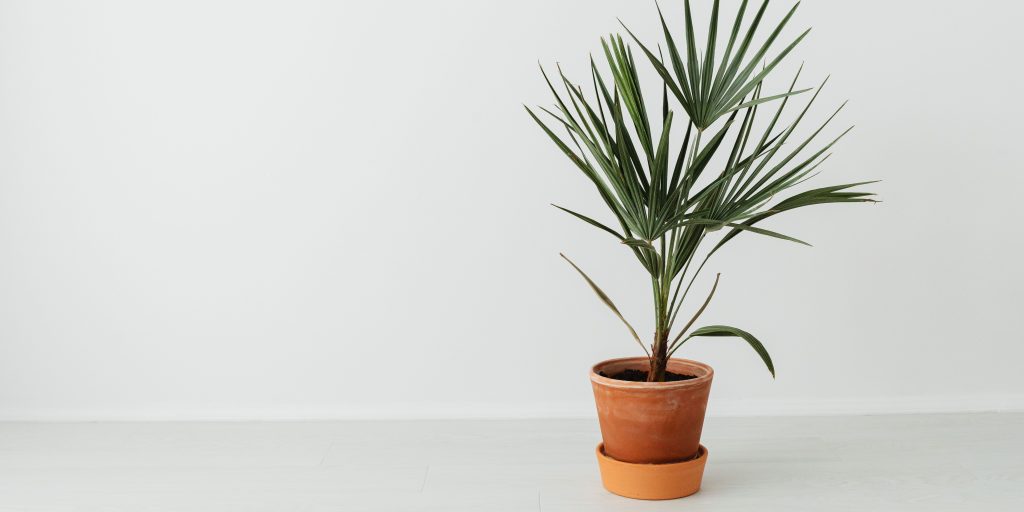
The most important feature of any plant pot is drainage. A pot with drainage holes allows excess water to leave after watering. Without drainage holes, water can collect at the bottom of the pot and create a stagnant, oxygen-poor environment around the roots.
This is one of the fastest ways to cause root rot. Roots need oxygen to function. When they sit in wet substrate for too long, they weaken and become more vulnerable to disease.
A good watering routine should always include thorough watering followed by complete drainage. Water should move through the substrate and leave the pot. The plant should never be left standing in excess water.
For this reason, pots with drainage holes are always the safest choice for indoor plants. They work especially well with airy, well-draining substrates such as PlantNest soil mixes, where excess moisture can move through the pot while enough water remains available for the roots.
Nursery pot vs decorative pot
One of the easiest and most practical solutions is to grow the plant in a nursery pot and place that nursery pot inside a decorative cover pot.
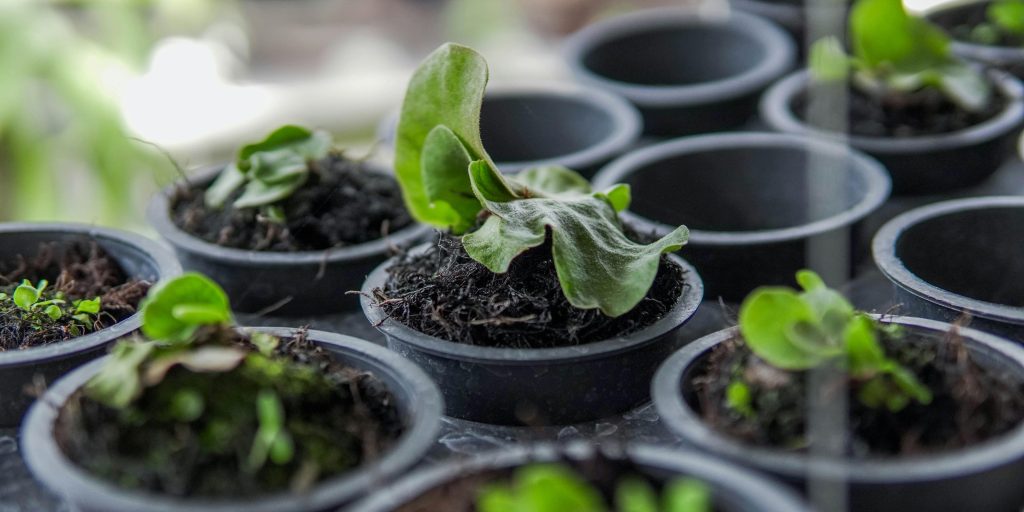
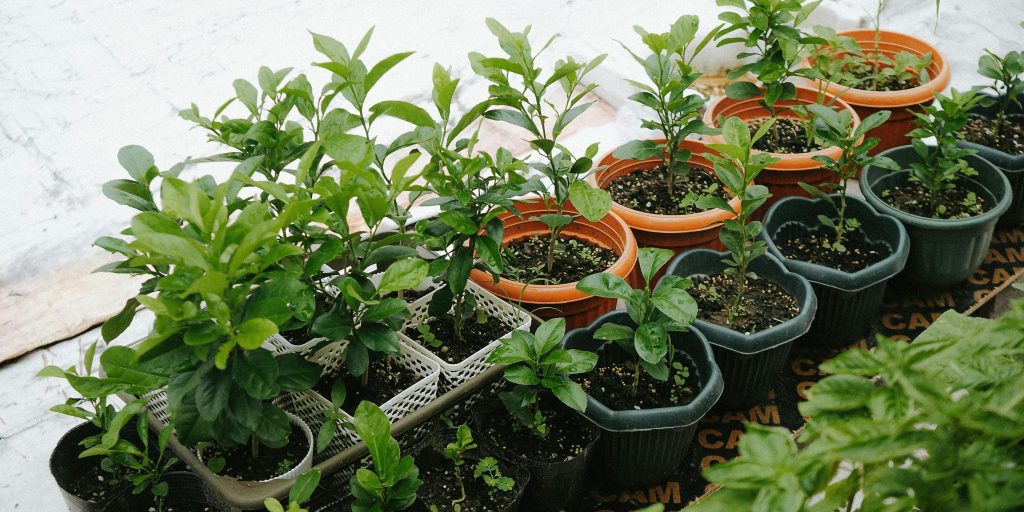
A nursery pot is usually made of plastic and has drainage holes at the bottom. It is lightweight, affordable and easy to remove when watering or checking the roots. It may not always be the most beautiful option, but it is one of the most practical.
A decorative pot, also called a cover pot, is mainly used for appearance. It can be ceramic, metal, stone, concrete, wood or another decorative material. Many decorative pots do not have drainage holes, which makes them risky if the plant is planted directly inside.
Using both gives you the best of both worlds. The nursery pot supports drainage and root health, while the decorative pot improves the look of the plant in your home.
When watering, remove the nursery pot from the decorative pot, water thoroughly and let all excess water drain away. Only place it back once it has finished draining. This prevents water from collecting inside the cover pot.
How to choose the right pot size
Pot size has a huge impact on watering and root health. A common mistake is choosing a pot that is much larger than the current one. It may seem helpful to give the plant more space, but too much extra substrate can hold moisture for too long.
When a small root system sits inside a large pot, it cannot absorb water from all the surrounding substrate quickly enough. The outer and lower parts of the pot may remain wet for days. This increases the risk of root rot, fungus gnats and slow growth.
On the other hand, a pot that is too small can restrict the roots. The plant may dry out too quickly, become unstable or stop growing properly.
As a general rule, choose a new pot that is only slightly larger than the current one. For most houseplants, increasing the pot diameter by around 2 to 4 centimetres is enough during repotting. This gives roots fresh space without overwhelming them with too much wet substrate.
The goal is not to give the plant the biggest pot possible. The goal is to create a balanced environment where the root system and substrate volume work together.
Signs your plant needs a bigger pot
A plant does not always need repotting just because it has been in the same pot for a while. Look at the plant and the root system before deciding.
Your plant may need a bigger pot if:
- Roots are growing through the drainage holes
- The plant dries out very quickly after watering
- The root ball is tightly circling inside the pot
- The plant has become top-heavy and unstable
- Growth has slowed despite proper light and care
- The plant lifts itself upward because the roots are pushing from below
- Water runs straight through the pot without properly moistening the substrate
When several of these signs appear together, repotting into a slightly larger pot with fresh substrate can give the plant a healthier foundation.
Pot materials and how they affect watering
Different pot materials behave differently. Some help the substrate dry faster, while others hold moisture longer. The best choice depends on the plant, the substrate and your watering habits.
Plastic pots
Plastic nursery pots are one of the most practical options for indoor plants. They are lightweight, affordable and usually have excellent drainage. Plastic does not absorb water, so the substrate stays moist for longer compared to porous materials.
Plastic pots work well for many tropical houseplants, especially when paired with an airy substrate. They are also easy to squeeze gently when removing a plant for repotting.
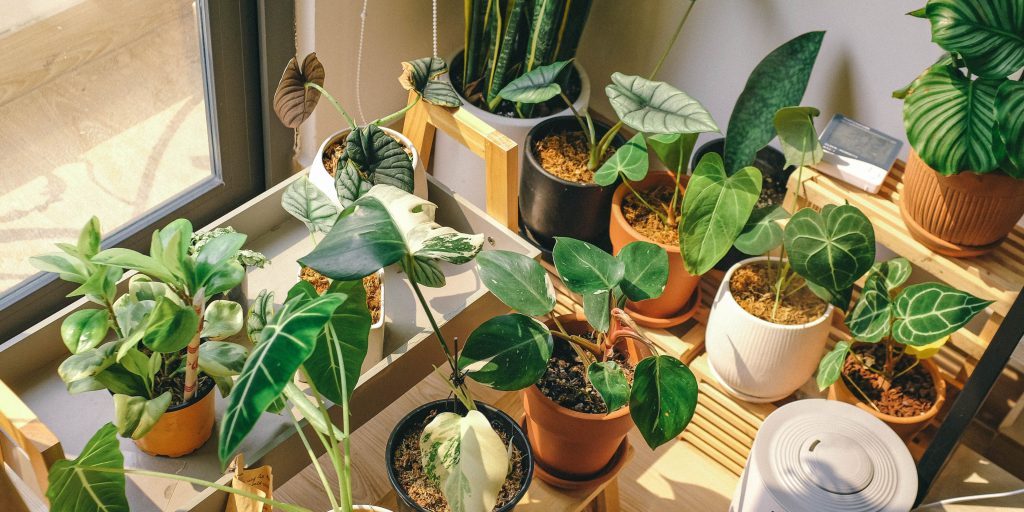
For plants such as Monstera, Philodendron, Anthurium, Alocasia, Calathea and Maranta, a plastic nursery pot inside a decorative cover pot is often a very reliable setup.
Terracotta and clay pots
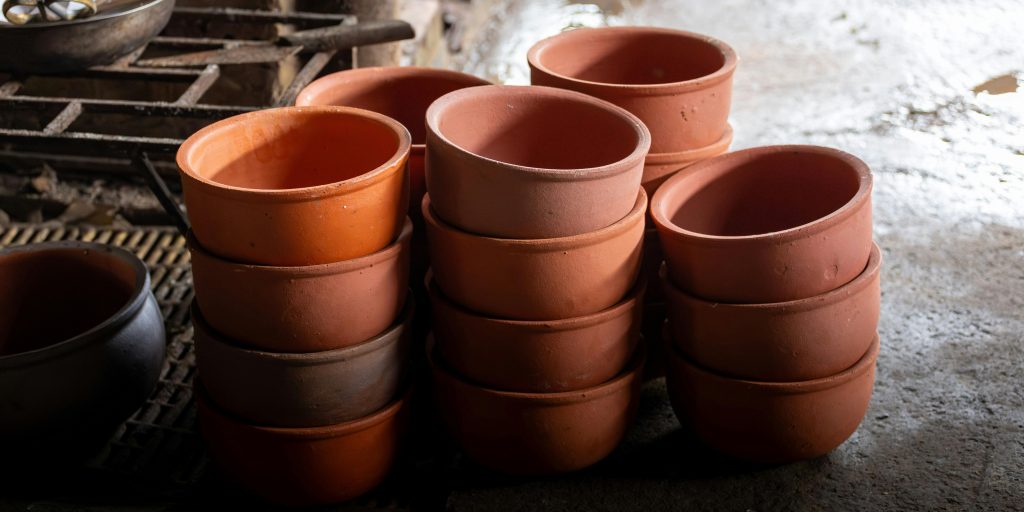
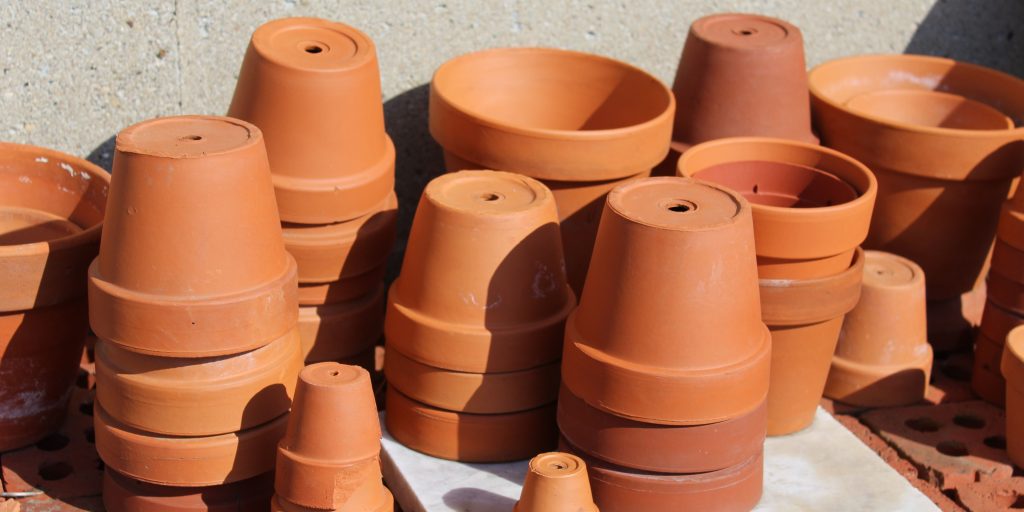
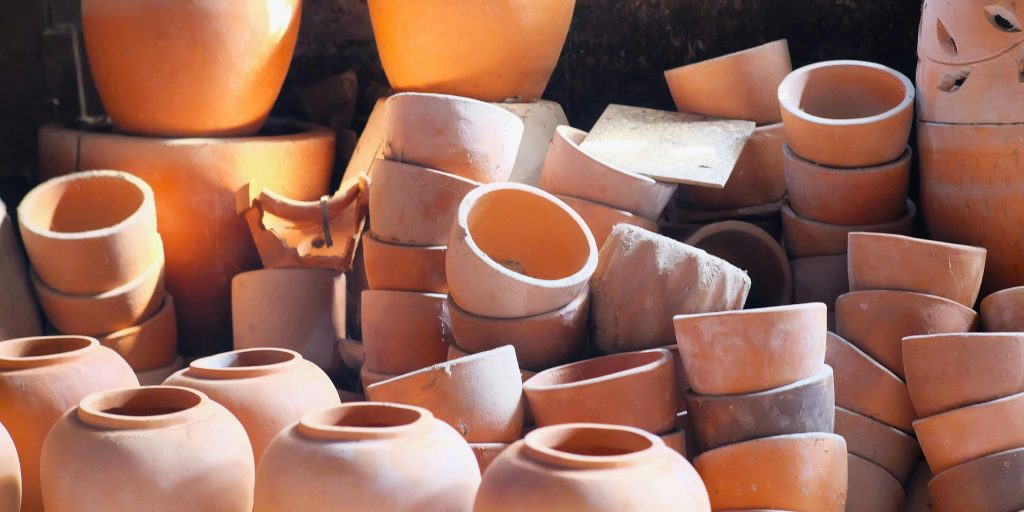
Terracotta and unglazed clay pots are porous. This means they allow moisture and air to pass through the walls of the pot. As a result, the substrate dries faster.
This can be helpful for plants that dislike staying wet, such as cacti, succulents and some drought-tolerant species. It can also help plant owners who tend to overwater.
However, terracotta may dry too quickly for moisture-loving tropical plants. Calatheas, Marantas and some Alocasias may need more consistent moisture, so they often do better in plastic pots or glazed ceramic pots with drainage.
Ceramic pots
Ceramic pots are popular because they are decorative, stable and available in many styles. Glazed ceramic pots hold moisture longer than terracotta because the surface is less porous.
Ceramic pots can work well if they have drainage holes. If they do not, they are better used as cover pots with a nursery pot inside.
Because ceramic pots are heavier, they can be useful for larger plants that need more stability, such as tall Monsteras, Ficus plants or mature Philodendrons.
Metal pots
Metal pots can look modern, but they need care. Metal can heat up quickly when placed near direct sun or radiators. Excess heat can warm the substrate and stress the roots.
If using a metal decorative pot, keep the plant in a nursery pot inside it and avoid hot windowsills. Always check that water is not collecting at the bottom.
Concrete and stone pots
Concrete and stone pots are heavy and stable. They can be useful for large plants, but they may also retain coolness or heat depending on the environment. Some are porous, while others are sealed.
Because they are heavy, they are not always convenient for plants that need frequent watering or inspection. They work best as decorative cover pots or for large plants that need weight and stability.
Wooden pots
Wood can look natural and beautiful, but it can deteriorate when exposed to constant moisture. If using a wooden planter, use a liner or keep the plant in a nursery pot inside. This protects the wood and makes watering safer.
Matching pot type to plant type
Different plants have different needs, so the pot should match the plant’s natural growth habits and moisture preference.
Aroids such as Monstera, Philodendron, Anthurium and Alocasia need airflow, drainage and stable moisture. They usually do well in nursery pots with drainage, combined with chunky, airy substrates such as PlantNest Aroid Soil Mix.
Calatheas and Marantas prefer more consistent moisture. They should not dry out too fast, so plastic or glazed ceramic pots with drainage are often better than terracotta.
Cacti and succulents need fast drainage and dislike staying wet. Terracotta pots or well-draining plastic pots paired with PlantNest Cacti & Succulent Soil Mix are a strong choice.
Orchids need excellent airflow around the roots. They often benefit from specialised orchid pots, transparent pots or containers that allow air movement, combined with a structured orchid mix.
Large plants need stability. A heavier decorative pot can help prevent tipping, but the inner growing pot should still allow drainage.
The pot and substrate must work together
A pot and substrate should always be considered together. A fast-drying terracotta pot combined with a very airy mix may dry too quickly for some tropical plants. A plastic pot combined with a dense soil may stay wet too long. The best setup balances both parts.
PlantNest substrates are designed to support healthy roots through drainage, aeration, moisture balance and structure. When placed in a pot with proper drainage, they create a more reliable growing environment.
For example, PlantNest Aroid Soil Mix works best in a pot where excess water can drain freely. Its airy structure supports oxygen flow and helps tropical roots grow strongly.
PlantNest Universal Soil Mix is suitable for many everyday houseplants when used in a correctly sized pot with drainage holes.
PlantNest Cacti & Succulent Soil Mix should be used in a pot that allows quick water movement, helping prevent moisture from staying around drought-adapted roots for too long.
The pot controls the water exit. The substrate controls the root environment. Both must support each other.
How much soil should be in the pot?
When repotting, do not fill the pot to the very top. Leave a small watering space between the substrate surface and the rim of the pot. This allows water to collect briefly before soaking into the mix, instead of spilling over the edge.
The plant should sit at the same depth as before. Do not bury the crown or stems too deeply, as this can lead to rot. The point where the roots meet the stems should remain near the soil surface.
Add enough substrate under the root ball so the plant sits at the correct height, then fill around the sides. Gently settle the mix, but do not press it down too hard. Compaction removes the air pockets that healthy roots need.
Common pot mistakes to avoid
Choosing a pot without drainage is one of the most common mistakes. It may look beautiful, but it creates a high-risk environment for roots.
Another mistake is moving a plant into a pot that is too large. More space is not always better. Too much substrate can hold too much water.
Using the same pot type for every plant can also create problems. A succulent and a Calathea do not want the same moisture conditions.
Compacting the substrate too firmly after repotting is another issue. Roots need oxygen and should not be trapped in tightly pressed soil.
Finally, decorative pots should always be checked for standing water. Even if the nursery pot has drainage holes, water can collect inside the outer pot if it is not emptied after watering.
The best beginner setup
For beginners, the safest and easiest setup is simple:
- Use a plastic nursery pot with drainage holes
- Place it inside a decorative cover pot
- Remove the nursery pot when watering
- Let excess water drain fully
- Use a plant-specific PlantNest substrate
- Choose a pot only slightly larger when repotting
This setup gives control, flexibility and a lower risk of overwatering. It also makes it easy to inspect roots, change decorative pots and adjust care as the plant grows.
Final thoughts
Choosing the right pot is one of the most important steps in indoor plant care. A good pot supports drainage, protects roots and makes watering easier. The best pot is not always the most decorative one, and it is not always the biggest one. It is the one that matches the plant’s needs.
Healthy roots need oxygen, moisture balance and space. A properly sized pot with drainage holes gives them that foundation. When combined with a high-quality PlantNest substrate, the result is a stronger, healthier and more stable plant.
A beautiful plant starts below the surface. Choose the right pot, use the right substrate and give your roots the environment they need to thrive.