
Finding mould on the surface of your houseplant soil can be worrying. A white fluffy layer, dark spots, green patches or an unpleasant smell can make any plant owner wonder whether the plant is in danger. The good news is that mould on potting soil is a common problem, and in many cases it can be fixed with better watering, more airflow, fresh substrate and the right pot setup.
Mould usually appears when the top layer of the substrate stays wet for too long. Indoor plants are especially vulnerable because they grow in pots, where airflow, drainage and evaporation are limited. If the pot has poor drainage, the substrate is too dense, the room is humid or the plant receives too little light, mould can develop quickly.
The key is not only removing the mould you can see. The real goal is to understand why it appeared and improve the growing environment so it does not come back. Healthy roots need oxygen, balanced moisture and a substrate that does not stay soggy. When these conditions are right, the risk of mould becomes much lower.
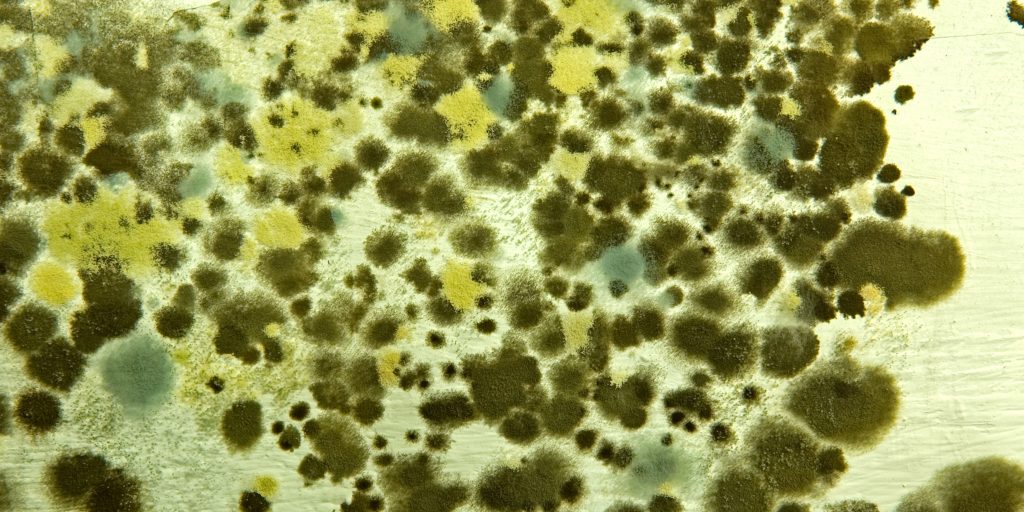
What is mould on potting soil?
Mould on potting soil is usually a type of fungus growing on organic material in the substrate. It often appears as a soft white, grey, green, brown or black layer on the soil surface. Some moulds feed on decomposing organic matter, while others appear because the substrate remains too wet and poorly ventilated.
A small amount of white mould on the surface is usually not an emergency. It often means that the conditions in the pot are too moist, rather than that the plant is immediately dying. However, it should not be ignored. If the same conditions continue, the substrate may become unhealthy, roots may receive less oxygen and the risk of root problems can increase.
Mould is also a sign that the balance inside the pot is not ideal. A plant pot should not feel like a closed, damp container. It should allow water to move, air to circulate and the substrate to dry at a suitable pace for the plant.

Common types of mould and soil surface problems
Not every white or coloured mark on soil is the same. Before treating the problem, it helps to understand what you are looking at.
White fluffy mould
White fluffy mould is one of the most common types found on houseplant soil. It often appears when the soil surface stays damp for too long. It may look like soft cotton or a thin fuzzy layer.
This type of mould is usually connected to overwatering, poor airflow, low light or a substrate that holds too much moisture. It often stays on the surface, but it still signals that the pot environment needs adjustment.
Green surface growth
Green patches on the soil surface may be algae rather than mould. Algae usually appears when the soil is wet, exposed to light and not drying quickly enough. It is common in humid areas, terrariums or pots that are watered too often.
Algae is not always dangerous, but it is another sign that the surface remains too wet.
Brown or black mould
Dark mould can be more concerning, especially if it comes with a sour smell, very wet soil or a plant that is declining. Brown or black patches may appear in poorly ventilated, constantly damp conditions.
If dark mould spreads quickly, the substrate smells unpleasant or the plant’s leaves are yellowing and drooping, it is important to check the roots and consider repotting.
White mineral deposits
Sometimes what looks like mould is not mould at all. A dry, crusty white layer may be mineral or limescale deposit from tap water or fertilizer residue. Unlike mould, it is not fluffy and usually feels hard or powdery.
Mineral deposits can be removed from the soil surface, but they are a different issue. They may indicate hard water, fertilizer build-up or evaporation from the top layer of the substrate.
Why mould appears on houseplant soil
Mould grows when the environment is damp, stagnant and rich in organic matter. Houseplant pots can easily create these conditions if watering, substrate and airflow are not balanced.
Overwatering
Overwatering is the most common cause of mould on potting soil. When water is added too often, the substrate never gets the chance to dry properly. The surface stays damp, oxygen levels drop and fungal growth becomes more likely.
Overwatering is not only about the amount of water used. It is also about how often the plant is watered and how quickly the substrate dries afterward.
Poor drainage
A pot without drainage holes traps excess water at the bottom. Even if the top layer looks normal, the lower part of the pot can stay wet for a long time. This creates a humid environment that encourages mould and can also damage roots.
Every indoor plant should grow in a pot with drainage holes or in a nursery pot placed inside a decorative cover pot. After watering, excess water should always be allowed to drain away.
Dense or low-quality soil
Heavy soil holds too much moisture and reduces airflow around the roots. Over time, it can compact and become even harder for water and oxygen to move through.
A good substrate should stay open, breathable and well-draining. PlantNest substrates are designed around this principle: fast drainage, balanced moisture, airy structure and strong root support.
Low light
Plants use less water in low light. If a plant sits in a dark corner, the substrate dries more slowly. This can make mould more likely, especially during autumn and winter.
Moving the plant to brighter indirect light can help the substrate dry more evenly and support healthier growth.
Poor air circulation
Still air makes it easier for moisture to remain on the soil surface. Rooms with poor ventilation, crowded plant shelves or closed decorative containers can all contribute to mould.
Better airflow helps the surface dry more naturally and reduces stagnant conditions.
Organic matter on the soil surface
Dead leaves, old plant debris and decaying organic material can feed fungal growth. Fallen leaves should be removed from the pot regularly, especially if the soil is moist.
Keeping the surface clean is a simple but effective prevention step.
How to remove mould from potting soil
If mould appears, start by removing the visible layer. Use a spoon, small scoop or gloved hand to take off the affected top layer of substrate. Remove enough soil to get rid of the visible mould, but avoid damaging surface roots.
After removing the mould, let the top layer dry more than usual before watering again. Place the plant in bright indirect light and improve airflow around it. If the plant tolerates slightly brighter conditions, a better-lit position can help reduce surface moisture.
Do not simply scrape the mould and continue the same care routine. If watering, drainage or substrate quality does not change, the mould may return.
When to replace the substrate completely
Surface mould can often be managed by removing the top layer and improving conditions. However, a full repot may be necessary in more serious cases.
Repot the plant if:
- The mould keeps returning
- The substrate smells sour or rotten
- The soil stays wet for many days
- The plant is yellowing, wilting or declining
- You see black, mushy or damaged roots
- The pot has no drainage
- The current soil is dense and compacted
- When repotting, remove as much of the old unhealthy substrate as possible without damaging the roots excessively. Trim dead or mushy roots with clean scissors. Use a clean pot with drainage holes and fresh, airy substrate suited to the plant.
This gives the roots a healthier environment and removes the conditions that allowed mould to develop.
How PlantNest substrate helps reduce mould conditions
Mould prevention starts with the root environment. When the substrate is too wet, dense or compacted, problems appear more easily. A high-quality substrate supports better drainage, better airflow and more predictable watering.
PlantNest mixes are created to support healthy roots by balancing moisture and oxygen. Ingredients such as pine bark, perlite, pumice, expanded clay and zeolite help create a more structured and breathable environment.
- Pine bark adds chunkiness and airflow
- Perlite improves drainage and reduces compaction
- Pumice supports aeration and long-term structure
- Expanded clay helps water move through the mix
- Zeolite supports moisture and nutrient balance
Together, these components help prevent the substrate from becoming heavy and stagnant. This does not mean mould can never appear, but it helps reduce the conditions that allow mould to thrive.
Choose the right mix for your plant
Different plants need different moisture levels. Choosing the correct substrate is one of the best ways to prevent mould and root problems.
Aroids such as Monstera, Philodendron, Anthurium and Alocasia need an airy, chunky and well-draining mix. PlantNest Aroid Soil Mix is designed to support airflow around tropical roots while holding enough moisture for healthy growth.
Calatheas and Marantas prefer more stable moisture, but they still need oxygen around the roots. A balanced mix helps prevent the substrate from becoming wet and compacted.
Cacti and succulents need fast drainage and should never sit in moisture-heavy soil. PlantNest Cacti & Succulent Soil Mix supports quick water movement and a drier root environment.
Common houseplants can benefit from PlantNest Universal Soil Mix, which provides better structure and drainage than many dense regular potting soils.
The correct substrate makes watering easier and reduces the risk of moisture-related problems.
Improve watering habits
Watering is one of the most important parts of mould prevention. Instead of watering on a fixed schedule, check the substrate first.
For many houseplants, the top few centimetres of soil should dry before watering again. Some moisture-loving plants prefer a shorter drying period, while cacti and succulents need the substrate to dry more thoroughly.
Always water deeply when the plant needs it, then let excess water drain away. Shallow, frequent watering can keep the surface constantly damp and encourage mould. Deep watering with proper drainage is usually healthier than small amounts of water added too often.
Never leave a nursery pot sitting in water inside a decorative cover pot. After watering, empty any collected water.
Improve light and airflow
Better light helps plants use water more efficiently. If a plant receives too little light, the substrate stays wet for longer and mould becomes more likely.
Move the plant to bright, indirect light if possible. Avoid harsh direct sun for sensitive plants, but do not keep plants in dark, stagnant areas.
Airflow also matters. Leave space between plants, open windows when suitable or use a gentle fan in rooms with poor circulation. The goal is not to dry the plant out completely, but to prevent still, humid air from sitting around the soil surface.
Keep the pot clean
A clean pot supports a healthier growing environment. Before reusing any pot, wash it thoroughly. Old soil residue, algae, mould or mineral build-up can remain on pot walls and drainage holes.
If a plant had mould or root rot, clean the pot especially well before using it again. Make sure drainage holes are open and not blocked by old substrate.
Decorative cover pots should also be checked regularly. Water often collects at the bottom without being noticed. This can keep the nursery pot too wet and create a humid environment around the roots.
Should you use cinnamon or home remedies?
Many plant owners use cinnamon, hydrogen peroxide or other home remedies for mould. Some may help reduce surface fungal growth temporarily, but they do not solve the root cause.
If the substrate remains wet, dense and poorly ventilated, mould can return. The most effective solution is to correct the growing conditions: less frequent watering, better drainage, more airflow, more suitable light and a better substrate.
Surface treatments should never replace proper plant care.
How to prevent mould From coming back
The best prevention routine is simple:
- Use a pot with drainage holes
- Choose an airy, well-draining substrate
- Water only when the plant needs it
- Let excess water drain completely
- Remove dead leaves from the soil surface
- Give the plant bright indirect light
- Improve airflow around the pot
- Repot when the substrate becomes compacted
- Clean pots before reusing them
- Choose plant-specific soil instead of one dense mix for every plant
When these habits become part of regular care, mould becomes much less likely.
Final thoughts
Mould on houseplant soil is common, but it is also a useful warning sign. It shows that the pot environment is too damp, stagnant or poorly balanced. Removing visible mould is only the first step. Long-term success comes from improving the conditions inside the pot.
Healthy roots need oxygen, moisture balance and structure. A well-draining substrate, the right pot and a good watering routine all work together to create that environment.
PlantNest substrates are designed to support this balance. With airy structure, fast drainage and plant-specific formulas, they help create healthier conditions for roots and reduce the risk of moisture-related problems.
When the substrate breathes, the roots can breathe. And when the roots are healthy, the whole plant can grow stronger.