
Root rot is one of the most common problems in indoor plant care, but it is also one of the most misunderstood. Many plant owners notice yellow leaves, drooping stems or slow growth and assume the plant needs more water. In reality, the opposite may be true. The plant may already be sitting in too much moisture, and the roots may be struggling below the surface.
This is what makes root rot so dangerous. It often develops inside the pot before the visible part of the plant shows clear signs of stress. By the time the leaves begin to collapse, the root system may already be damaged.
The good news is that root rot can often be prevented. If it is caught early, many plants can also recover. The key is to understand what root rot is, why it happens, how to recognise the warning signs and how to create a healthier root environment after treatment.
Healthy roots need moisture, but they also need oxygen. They need a substrate that drains well, keeps enough humidity available and stays open enough for air to move through the root zone. When the substrate becomes dense, wet and stagnant, roots can weaken and begin to rot.
This is why the right substrate matters so much. PlantNest substrates are designed around fast drainage, optimal moisture balance and strong root support. These qualities help create the kind of environment where roots can breathe, absorb water properly and grow with more stability.

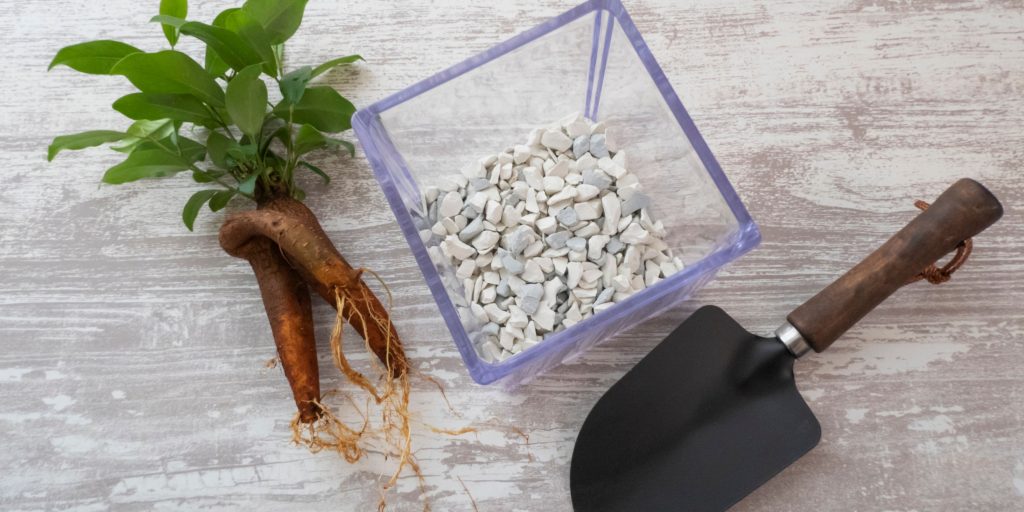


What is root rot?
Root rot is a condition where plant roots begin to decay. Healthy roots are usually firm, fresh and able to absorb water and nutrients from the substrate. Depending on the plant species, healthy roots may be white, cream, light tan or sometimes slightly darker, but they should not feel slimy, hollow or mushy.
When roots rot, they lose their structure. They may turn brown or black, become soft, break apart easily or develop an unpleasant smell. Once this happens, the damaged roots can no longer work properly.
A plant with root rot may look thirsty even though the soil is wet. This happens because the roots are no longer able to absorb water efficiently. The leaves may droop, yellow or dry at the edges, not because there is no water in the pot, but because the plant cannot use the water that is there.
Root rot is usually connected to excess moisture and poor oxygen availability around the roots. It can also involve fungal or bacterial activity that becomes more likely in wet, low-air conditions. In most indoor plants, the problem begins when the substrate stays wet for too long.


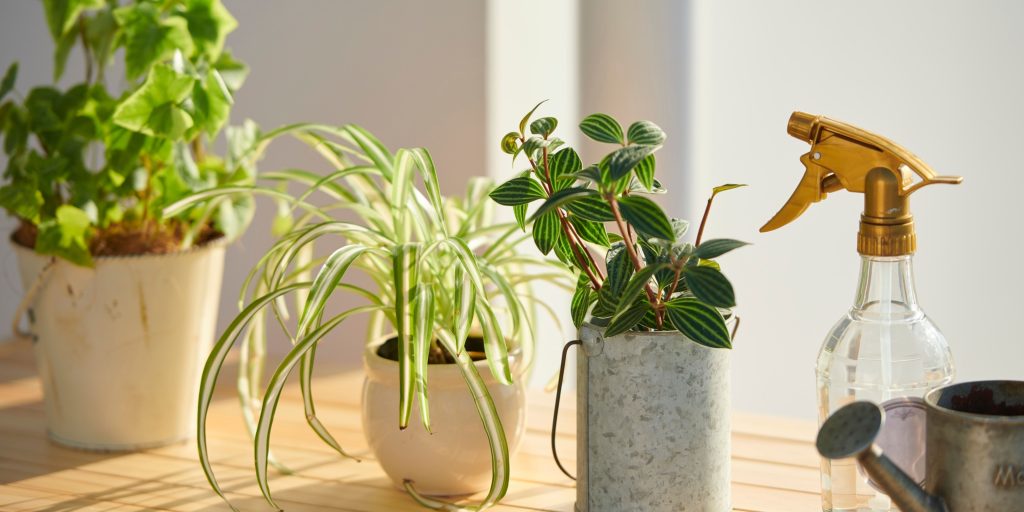
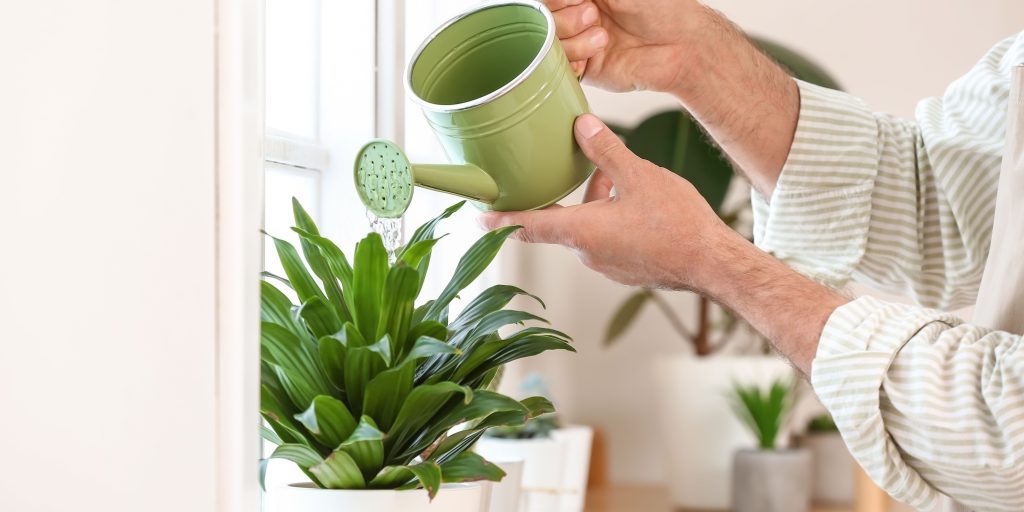
Why root rot happens
Root rot is rarely caused by one single mistake. It usually happens when several conditions work together: too much moisture, too little oxygen, poor drainage, dense substrate, low light or an unsuitable pot.
Overwatering is one of the most common causes. This does not always mean adding a huge amount of water once. More often, it means watering too frequently before the substrate has had enough time to dry to the correct level.
A plant may need less water in winter, in a darker room or after being moved into a larger pot. If the watering routine stays the same while the plant uses less water, the substrate can remain wet for too long.
Poor drainage can make the problem worse. If a pot has no drainage holes, excess water cannot escape. It collects at the bottom, where the deepest roots are located. Even if the surface looks dry, the lower part of the pot may still be saturated.
Decorative cover pots can create the same problem. If a nursery pot is placed inside a decorative pot and water collects at the bottom, the plant can sit in standing water without it being obvious.
Dense or compacted soil is another major cause. Some potting soils hold too much water and have too little structure. After repeated watering, they can become heavy, muddy and tight around the roots. When this happens, oxygen cannot move through the substrate properly.
A pot that is too large can also increase the risk of root rot. A small root system cannot use all the moisture held in a large amount of substrate. The extra soil stays wet for longer, especially around the sides and bottom of the pot.
Low light is another important factor. Plants use water more slowly when they receive less light. A plant in a dark corner may need much less water than the same plant in bright indirect light. If it is watered too often, the soil remains damp and the root zone becomes unhealthy.
Cold temperatures can also slow down water use. During winter or in cool rooms, the substrate dries more slowly and roots are more sensitive to excess moisture.
Root damage during repotting can make a plant more vulnerable too. If roots are torn or crushed and then placed into wet, dense soil, the damaged areas can deteriorate more easily. This is why gentle handling and a fresh, airy substrate are so important after repotting.
How to recognise root rot above the soil
Root rot begins below the surface, but the plant eventually shows signs above the soil. These symptoms can look similar to other plant problems, so it is important to look at the whole picture.
Yellowing leaves are one of the most common signs. A single older leaf turning yellow is often normal, but several yellow leaves appearing together can suggest stress in the root system.
Drooping is another warning sign. If the plant looks wilted even though the substrate is still wet, the roots may not be working properly. Many people respond by watering again, but this can make root rot worse.
Soft stems can also appear when the plant is under severe stress. The base of the plant may feel weak, unstable or mushy. This is more serious and should be checked quickly.
Slow or stopped growth can be another symptom. If the plant receives enough light and proper care but does not produce new growth for a long time, the roots may not be healthy enough to support active development.
Leaves may develop brown or black areas, especially when the plant is unable to move water and nutrients properly. Some plants may also drop leaves suddenly.
An unpleasant smell from the pot is a strong warning sign. Fresh substrate should smell earthy and natural. A sour, rotten or swamp-like smell often means the root zone is too wet and unhealthy.
The substrate itself can also give clues. If it stays wet for many days, feels heavy, looks compacted or develops mould on the surface, the conditions in the pot may be increasing the risk of root rot.
How to recognise root rot below the soil
The only reliable way to confirm root rot is to inspect the roots. Above-ground symptoms can suggest a problem, but the roots reveal what is really happening.
Remove the plant gently from its pot and look at the root system. Healthy roots should feel firm. They should hold their shape when touched and should not fall apart easily.
Rotten roots often look dark brown or black. They may feel soft, slimy or hollow. When touched, the outer layer may slip off and leave a thin inner thread behind.
The smell is also important. Healthy roots should not smell rotten. If the root ball has a sour, fungal or unpleasant smell, the substrate has probably stayed too wet for too long.
Some roots naturally look darker depending on the plant and substrate, so colour alone is not always enough. Texture matters more. Firm roots are usually alive. Mushy, slimy or collapsing roots are not healthy.
If only a few roots are damaged, the plant may recover well. If most of the root system is black and mushy, recovery becomes more difficult, but it may still be possible if healthy stems or nodes remain.
What to do first when you suspect root rot
If you suspect root rot, stop watering immediately. A drooping plant with wet soil does not need more water. It needs oxygen, inspection and a healthier root environment.
Move the plant to a clean workspace. Prepare clean scissors or pruning shears, fresh substrate, a clean pot with drainage holes and enough space to work carefully.
Remove the plant from the pot gently. If it is in a plastic nursery pot, squeeze the sides to loosen the root ball. Avoid pulling strongly by the stem, because stressed plants can break easily.
Once the plant is out, inspect the substrate. If it is dense, wet, sour-smelling or compacted, it should not be reused. Old unhealthy substrate can keep the same problem going even after damaged roots are removed.
Carefully loosen the soil from the roots. If the mix is very wet or sticky, remove as much as possible without tearing healthy roots unnecessarily. In severe cases, gently rinsing the roots can help you see which parts are healthy and which parts are rotten.
How to treat root rot step by step
Start by identifying the damaged roots. Rotten roots should be removed because they cannot recover. Leaving them attached can allow decay to continue spreading through the root system.
Use clean, sharp scissors or pruning shears. Cut back to firm, healthy tissue. After cutting rotten roots, it is best to clean the blades before making more cuts, especially if the rot is severe.
Remove every root that is black, mushy, slimy, hollow or badly damaged. It can feel uncomfortable to cut away a large part of the root system, but dead roots will not help the plant. The plant has a better chance with fewer healthy roots than with many rotten ones.
After trimming, check the balance between the roots and foliage. If the plant has lost many roots, it may not be able to support all of its leaves immediately. Remove leaves that are already yellow, collapsing or badly damaged. Do not over-prune healthy growth unless necessary.
Next, choose a clean pot. It should have drainage holes. If you reuse the old pot, wash it thoroughly and make sure no old wet substrate or decaying material remains inside.
Choose a pot size that matches the remaining root system. After root rot, the plant may need a smaller pot than before because it has fewer roots. A pot that is too large can hold too much moisture and slow recovery.
Repot the plant into fresh, airy substrate. Do not use dense, heavy soil after root rot. The plant needs oxygen around the roots and a mix that allows excess water to drain away.
Place a layer of fresh substrate at the bottom of the pot. Position the plant at the correct height, then fill around the roots gently. Do not press the substrate down hard. Firm compaction removes air spaces and can create the same conditions that caused the problem.
After repotting, water carefully. Some plants benefit from a light watering to settle the substrate around the roots, while others may need a short dry period first if they were extremely wet. In all cases, excess water must be allowed to drain completely.
Place the plant in bright, indirect light. Avoid harsh direct sun while it is recovering, but do not keep it in a dark corner. Good light helps the plant use water and rebuild strength.
Choosing the right substrate after root rot
The substrate you choose after root rot is one of the most important parts of recovery. The plant needs a fresh start below the surface.
A good recovery substrate should be airy, structured and well-draining. It should hold enough moisture for the plant, but it should not stay soggy. It should also allow oxygen to reach the roots.
PlantNest Universal Soil Mix is suitable for many common indoor plants because it provides a balanced structure for everyday houseplant care. It contains ingredients that help improve drainage, moisture balance and root aeration.
For aroids such as Monstera, Philodendron, Anthurium and Alocasia, a chunkier and more breathable mix is often better. These plants naturally appreciate airflow around the roots and do not respond well to compacted soil. PlantNest Aroid Soil Mix is designed for this type of root system.
For Monsteras and Philodendrons specifically, a structured mix with ingredients such as pine bark, perlite, pumice and zeolite can support oxygen flow, drainage and long-term root stability.
For Anthuriums and Alocasias, the substrate should stay lightly moisture-balanced but never waterlogged. These plants often suffer when the mix is either too dense or too dry, so balance is essential.
For Calatheas and Marantas, the goal is stable moisture with good aeration. These plants dislike drying out completely, but they still need oxygen around the roots. A moisture-balanced substrate helps prevent extremes.
For cacti and succulents, the substrate must drain quickly. These plants are especially sensitive to excess moisture around the roots. PlantNest Cacti & Succulent Soil Mix is created for drought-tolerant plants that need a light, mineral-rich and fast-draining growing medium.
The correct substrate does not only help the plant recover. It also helps prevent the same problem from returning.
How to water after treating root rot
Watering after root rot should be careful and responsive. The plant has fewer healthy roots than before, which means it may use water more slowly.
Do not return immediately to the old watering schedule. That schedule may have contributed to the problem. Instead, check the substrate before each watering.
For many houseplants, the top part of the substrate should dry before watering again. Moisture-loving plants may prefer a shorter drying period, while cacti and succulents should dry more thoroughly.
Always water according to the plant, the pot, the substrate and the season. A plant in bright light will usually use more water than a plant in low light. A plant in a small pot may dry faster than one in a large pot. A chunky substrate behaves differently from dense soil.
When you water, water properly and then let excess water drain away. Do not leave the pot sitting in water. If the plant is inside a decorative cover pot, check the bottom after watering and empty any collected water.
During recovery, it is better to be slightly cautious than to keep the root zone constantly wet. The goal is not to dry the plant out completely, but to avoid returning to waterlogged conditions.
How to prevent root rot from coming back
Prevention begins with the right root environment. Root rot is much less likely when the pot, substrate, light and watering routine work together.
Use a pot with drainage holes. This is one of the simplest and most important rules. Without drainage, excess water has nowhere to go.
Choose the right pot size. A larger pot is not always better. Increase pot size gradually when repotting. Most houseplants only need a slightly larger pot, not a huge container.
Use a substrate that matches the plant. Aroids need airy, chunky soil. Succulents need fast-draining mineral structure. Calatheas need moisture balance and aeration. Orchids need excellent airflow. One dense mix cannot serve every plant equally well.
Avoid compacting the substrate too hard during repotting. Roots need air spaces. A good mix should be gently settled, not pressed into a solid mass.
Adjust watering to the season. Plants usually need less water in winter, during low light or in cooler rooms. They may need more water during active growth, warmer conditions and brighter light.
Improve light if the plant is sitting in a dark area. Bright, indirect light helps the plant use water more efficiently and supports healthier growth.
Check decorative pots for standing water. A nursery pot may have drainage holes, but if it sits inside a cover pot full of water, the roots are still at risk.
Repot when the substrate becomes old, compacted or unsuitable. Even a good mix can break down over time. Refreshing the substrate gives roots better structure and oxygen.
Why airflow around roots matters
Roots are living tissue. They do not only absorb water; they also need oxygen to function. When all the spaces in the substrate are filled with water, roots cannot breathe properly.
This is why airy substrate is so important. Ingredients such as pine bark, perlite, pumice, expanded clay and zeolite help create structure inside the pot. They separate smaller particles and allow water and air to move through the mix.
Pine bark adds chunkiness and helps keep the substrate open. It is especially useful for tropical plants that prefer structure around the roots.
Perlite improves drainage and reduces compaction. It helps create a lighter mix and supports oxygen movement.
Pumice adds stable mineral structure. It supports aeration while also helping with moisture and nutrient balance.
Expanded clay improves water movement and helps prevent the mix from becoming too dense.
Zeolite supports moisture and nutrient management, helping the substrate remain more balanced over time.
These ingredients are not decorative extras. They are functional parts of a healthier root environment.
Can a plant recover from root rot?
A plant can recover from root rot if enough healthy roots or healthy stem tissue remains. Recovery depends on how early the problem is found and how much of the root system is still alive.
If only a small part of the root system is damaged, the plant may recover well after trimming, repotting and improving care.
If many roots are gone, recovery will take longer. The plant may lose some leaves while it rebuilds roots. Growth may pause for several weeks or even longer.
If all roots are rotten, the original root system may not be savable. However, some plants can still be rescued by taking healthy cuttings. Vining plants such as pothos, philodendron, monstera and syngonium can often be propagated from healthy nodes.
In severe cases, propagation may be the best backup plan. A healthy cutting can become a new plant, even if the original root system is too damaged.
What not to do when dealing with root rot
Do not keep watering because the plant looks droopy. A plant with rotten roots may look thirsty, but more water can make the problem worse.
Do not fertilise immediately after severe root damage. Fertiliser does not repair rotten roots. The plant first needs recovery, fresh substrate and stable conditions.
Do not reuse wet, sour-smelling or contaminated soil. Old unhealthy substrate can keep the problem going.
Do not move the plant into a much larger pot after trimming roots. A reduced root system needs a pot that matches its current size.
Do not place the recovering plant in strong direct sun. Stressed roots cannot support rapid water loss through the leaves.
Do not ignore repeated symptoms. If root rot returns, the plant’s environment still needs adjustment.
Why PlantNest helps support healthier roots
PlantNest substrates are created for plant owners who want a better foundation than ordinary dense potting soil. The goal is not only to hold the plant in place. The goal is to create a root environment that supports drainage, aeration, moisture balance and long-term growth.
Fast drainage helps excess water leave the pot instead of staying trapped around the roots.
Optimal moisture balance helps keep enough water available without creating soggy conditions.
Strong root support helps plants establish themselves in a stable, structured mix.
The handmade approach reflects careful preparation and selected components, which is important when consistency matters.
Root rot prevention depends heavily on what happens inside the pot. A well-draining, breathable and plant-specific substrate makes watering easier and helps reduce the risk of stagnant moisture.
This does not mean a plant can never be overwatered. Any plant can suffer if care conditions are wrong. But a better substrate gives the roots a healthier starting point and makes proper care more predictable.
Final thoughts
Root rot is serious, but it is not mysterious. It happens when roots stay in wet, oxygen-poor conditions for too long. The visible symptoms appear on the leaves, but the real problem is below the surface.
The solution is to protect the root system. Use a pot with drainage holes. Choose the right pot size. Give the plant enough light. Water according to the plant’s needs, not according to a fixed calendar. Most importantly, use a substrate that drains well, stays airy and matches the plant.
If root rot appears, act quickly. Remove the plant from the pot, cut away damaged roots, replace the old substrate and repot into a fresh, breathable mix. Then give the plant stable care while it rebuilds.
Strong plants start with strong roots. With the right care and a high-quality PlantNest substrate, your houseplants can recover better, grow stronger and avoid the conditions that allow root rot to return.