
Watering is one of the most important parts of houseplant care, but it is also one of the easiest things to get wrong. Many plant problems begin with water: too much water, too little water, water added too often, water that cannot drain away, or a substrate that stays wet for longer than the roots can handle.
At first, watering may seem simple. A plant looks dry, so it gets water. A plant looks droopy, so it gets water. A plant has yellow leaves, so it gets water. But indoor plants are more complex than that. The visible part of the plant does not always tell the full story. Sometimes a drooping plant is thirsty. Other times, it is already sitting in wet soil and the roots are struggling.
The real goal of watering is not to keep the soil constantly wet. The goal is to create the right balance between moisture and oxygen in the root zone. Roots need water to function, but they also need air. If the substrate stays wet for too long, oxygen disappears from the spaces around the roots. This can lead to weak roots, slow growth, mould, fungus gnats and root rot.
This is why good watering starts with the right substrate. PlantNest substrates are designed to support fast drainage, optimal moisture balance and strong root support. A well-structured substrate makes watering easier because it allows excess water to move through the pot while keeping enough moisture available for the plant.
Watering is not only about how much water you give. It is about how often you water, how the substrate behaves, what type of pot you use, what season it is, how much light the plant receives and what kind of plant you are caring for.
Why watering mistakes are so common
Most watering mistakes happen because plant owners try to follow a fixed routine. They water every Monday. They give every plant the same amount. They water when the surface looks dry. They water because a leaf drooped. They water because they are afraid the plant will dry out.
This approach often creates problems because every plant uses water differently.
- A Monstera in bright indirect light may use water faster than a ZZ plant in a darker corner
- A Calathea may need more consistent moisture than a cactus
- A plant in a small pot may dry faster than a plant in a large pot
- A plant in summer may need water more often than the same plant in winter
- A plant in dense soil may stay wet much longer than a plant in an airy PlantNest substrate
This is why watering should be based on conditions, not only on the calendar. The best watering routine is flexible. It responds to the plant, the substrate, the pot and the environment.
Watering a little bit too often
One of the most common mistakes is giving a small amount of water very often. This can feel safe because the plant never receives a large amount of water at once, but it often creates an unhealthy watering pattern.
When only a small splash is added, the top layer of the substrate becomes wet while the deeper roots may stay dry. Over time, roots may grow closer to the surface instead of developing deeper into the pot. The plant can become less stable and more sensitive to drying out.
Frequent small watering can also keep the surface constantly damp. This may encourage mould, algae or fungus gnats, especially if the plant is in low light or poor airflow.
Most houseplants prefer a more complete watering. When the plant is ready, water should move through the substrate and reach the entire root system. The goal is to moisten the root zone evenly, then allow excess water to drain away.
This method helps roots grow throughout the pot. It also gives you a clearer watering rhythm, because the plant receives enough water and then has time to use it before the next watering.

Watering too often
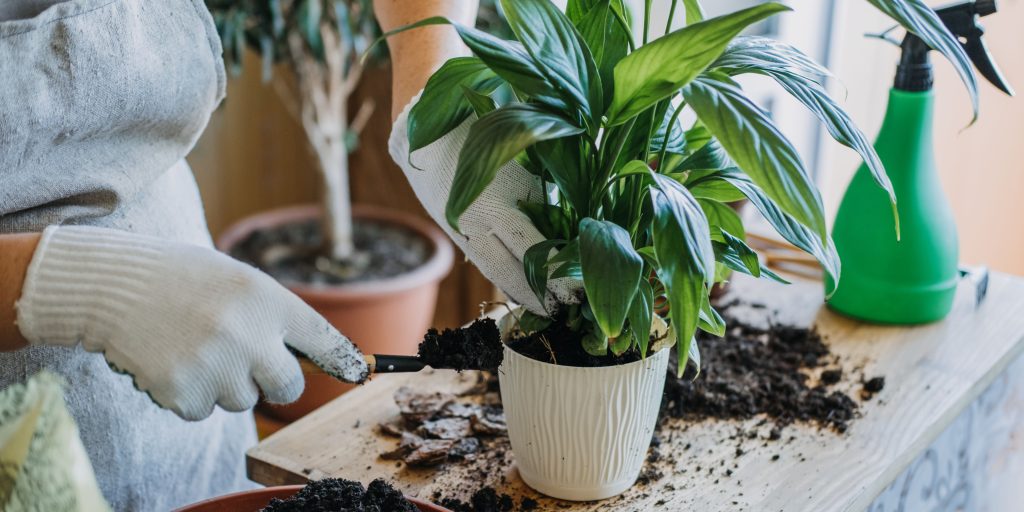
Watering too often is different from watering too much at once. In many cases, a plant can handle a thorough watering if the pot has drainage holes and the substrate is airy. The real problem begins when water is added again before the substrate has dried to the right level.
If the root zone stays wet continuously, roots lose access to oxygen. This creates stress below the surface. The plant may look weak, yellow or droopy, and the natural reaction is often to water again. Unfortunately, that usually makes the problem worse.
Overwatering is one of the main causes of root rot. It can also encourage fungal growth, unpleasant smells and fungus gnats. These problems are not only caused by water itself, but by wet, stagnant conditions that last too long.
To avoid this, always check the substrate before watering. For many common houseplants, the top few centimetres should dry before the next watering. For cacti and succulents, the substrate should dry much more thoroughly. For moisture-loving tropical plants, the mix may stay lightly moist, but it should never remain soggy.
A good substrate makes this easier. PlantNest mixes are created to balance moisture and air, so water can move through the pot more predictably. This helps reduce the risk of water sitting around the roots for too long.
Not watering enough
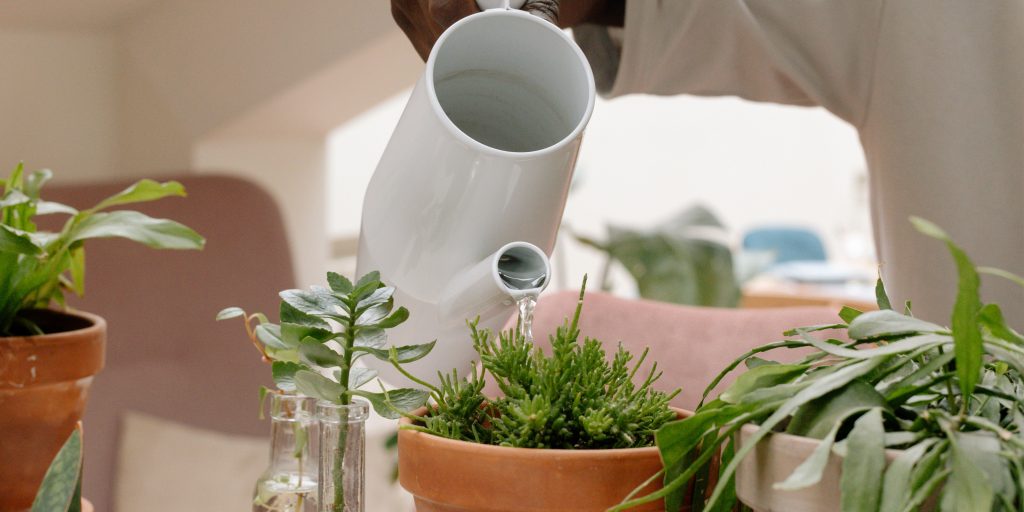
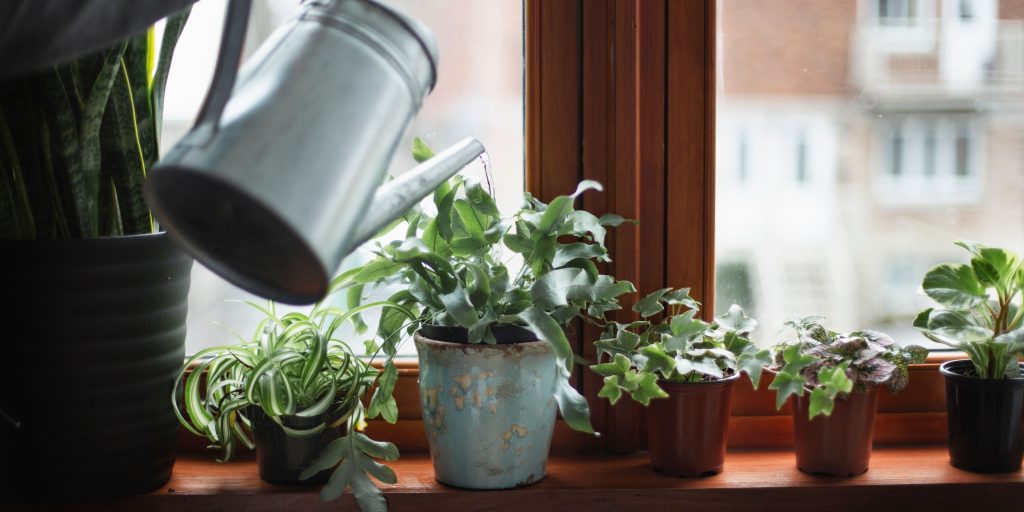
Underwatering can also damage houseplants. While overwatering is common, some plants suffer because they are left dry for too long. This often happens when watering is forgotten, when the plant is in a very small pot, or when the substrate dries much faster than expected.
A dry plant may show drooping leaves, curled leaves, crispy edges or slow growth. Some plants recover quickly after watering, but repeated underwatering weakens the root system and can damage foliage over time.
Small pots dry faster because they contain less substrate. Terracotta pots also dry faster because they are porous. Plants in warm rooms, bright light or near heating sources may need water more often.
Underwatering is especially stressful for plants that prefer consistent moisture, such as Calatheas, Marantas and some Alocasias. These plants do not like sitting in water, but they also do not respond well to being completely dry for too long.
The solution is not to keep every plant constantly wet. The solution is to understand how fast your plant dries and adjust care accordingly. Check the substrate regularly, especially during warmer months or after moving a plant to a brighter location.
Using the wrong substrate
Watering problems often begin with the substrate. Even a careful watering routine cannot fully compensate for soil that is too dense, too compacted or unsuitable for the plant.
A dense substrate holds water for too long. It becomes heavy after watering and limits oxygen around the roots. This is especially risky for plants such as Monsteras, Philodendrons, Anthuriums, Alocasias, cacti and succulents, which need good airflow around their roots.
A substrate that is too loose or too dry can create the opposite problem. Water may run through too quickly, leaving roots without enough moisture. This can happen when the mix does not match the plant’s natural needs.
This is why plant-specific substrates are so useful. Different plants need different moisture behaviour.
Aroids such as Monstera, Philodendron, Anthurium and Alocasia need a chunky, airy and well-draining substrate. They enjoy moisture, but their roots need oxygen and structure.
Calatheas and Marantas prefer a substrate that keeps moisture more stable while still allowing air to move through the root zone.
Cacti and succulents need fast drainage and a more mineral structure because they are sensitive to wet roots.
Common indoor plants often do well in a balanced universal mix that drains properly and stays breathable.
PlantNest substrates are designed for these differences. Ingredients such as pine bark, perlite, pumice, expanded clay and zeolite help create structure, drainage and moisture balance. This makes watering easier because the substrate supports the plant instead of working against it.
Using a pot without drainage holes
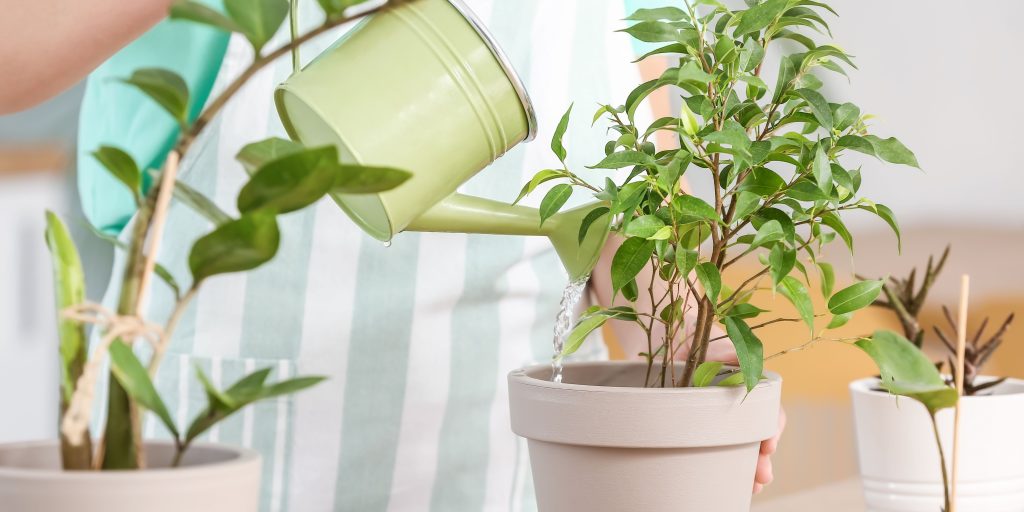
A pot without drainage holes is one of the biggest risks in indoor plant care. Even if the plant is watered carefully, excess water has nowhere to go. It collects at the bottom of the pot and creates a wet layer around the lower roots.
This is dangerous because the top of the substrate may look dry while the bottom remains saturated. A plant owner may water again without realising that the deepest roots are already sitting in water.
Drainage holes allow excess water to leave the pot. This is essential for healthy roots. After watering, water should move through the substrate and come out of the bottom. The pot should then be allowed to drain fully.
Decorative pots can still be used, but the safest method is to keep the plant in a nursery pot with drainage holes and place that inside a decorative cover pot. When watering, remove the nursery pot, water thoroughly, let it drain and then place it back.
If water collects inside the decorative pot, empty it. A nursery pot with drainage holes does not help if it is left standing in water inside a cover pot.
Ignoring the season
Plants do not use the same amount of water all year. Their water needs change with light, temperature, humidity and growth speed.
In spring and summer, many houseplants grow more actively. They receive more light, temperatures are usually warmer and the substrate dries faster. During this period, plants often need water more frequently.
In autumn and winter, growth usually slows down. Light levels are lower, temperatures may drop and evaporation is slower. The same plant may need much less water than it did in summer.
Watering on the same schedule throughout the year can cause problems. A routine that works perfectly in July may be too much in December.
This is one of the main reasons plants develop root problems during winter. The plant is using less water, but the watering routine has not changed. The substrate stays wet for longer, oxygen around the roots decreases and the risk of root rot increases.
Instead of following a fixed schedule, check the substrate before watering. If it is still moist, wait. If it has dried to the correct level for that plant, water thoroughly and let excess drain away.
Giving water that is too cold
Water temperature is easy to overlook, but it can matter, especially for sensitive tropical plants. Very cold water can shock roots, particularly during winter when tap water may be much colder than room temperature.
Most houseplants prefer water that is close to room temperature. It does not need to be warm, but it should not be icy cold. Lukewarm or room-temperature water is usually the safest choice.
This is especially important for plants such as Calatheas, Marantas, Anthuriums and Alocasias, which can be sensitive to sudden changes. Cold water combined with a cool room and wet substrate can create extra stress for the roots.
Letting water sit for a short time before use can help bring it closer to room temperature. It also makes watering more comfortable and consistent for delicate plants.
Watering every plant the same way
Another common mistake is treating all houseplants the same. It is easy to create one watering routine for the whole collection, but different plants have different needs.
- A cactus and a Calathea should not be watered the same way
- A Monstera and a ZZ plant should not be treated exactly the same
- A newly rooted cutting and a mature plant in active growth will not use water at the same speed
- A plant in a small nursery pot will dry faster than a plant in a large ceramic pot
- A plant in PlantNest Cacti & Succulent Soil Mix will behave differently from a plant in PlantNest Calathea & Maranta Mix
The best approach is to group plants by their water needs. Moisture-loving plants can be checked more often. Drought-tolerant plants can dry more thoroughly. Aroids can be watered when their airy substrate has partly dried but still retains a balanced level of moisture.
This makes care easier and helps prevent both overwatering and underwatering.
Watering after repotting
Repotting changes the way a plant uses water. Fresh substrate behaves differently from old substrate. A larger pot holds more moisture. Disturbed roots may temporarily absorb water more slowly.
After repotting, many plant owners either water too much or become afraid to water at all. The right approach depends on the plant, the root condition and the substrate used.
If the plant has healthy roots and was repotted into a fresh, airy substrate, watering thoroughly after repotting can help settle the mix around the roots. Excess water should always drain away completely.
If the plant was repotted because of root rot, watering should be more cautious. Damaged roots cannot absorb water efficiently, and too much moisture can slow recovery.
A fresh PlantNest substrate helps make the transition easier because it provides structure, aeration and moisture balance. Young or recovering roots need oxygen as much as they need water.
Watering cuttings and young plants
Cuttings and young plants need special attention because their root systems are still small. A small root system cannot use water as quickly as a mature plant. If the pot is too large or the substrate stays wet for too long, young roots can struggle.
After moving a water-propagated cutting into substrate, keep the mix lightly moist at first, but not soggy. The roots are adapting from water to soil and need a gentle transition.
Use a small pot with drainage holes. A large pot may hold too much moisture around the young roots.
An airy substrate is especially important for new roots. PlantNest Universal Soil Mix or a suitable aroid mix can help support the transition by keeping the root zone breathable while maintaining enough moisture.
As the plant develops stronger roots and new growth, the watering routine can gradually become more like that of a mature plant.
How to check if your plant needs water
The best way to water correctly is to check the plant before adding water. Do not rely only on the surface appearance. The top layer may dry faster than the deeper root zone.
The finger test is one simple method. Place your finger into the substrate and feel how moist it is below the surface. For many houseplants, watering is needed when the top few centimetres have dried.
The weight of the pot can also help. A freshly watered pot feels heavier. A dry pot feels lighter. Over time, this becomes an easy way to understand moisture levels.
You can also observe the plant. Slightly softer leaves, mild drooping or slower water use can give clues, but visible symptoms should not be the only guide. Some signs of overwatering and underwatering look very similar.
For beginners, it can help to check plants once or twice a week without automatically watering them. The goal is to observe first and water only when needed.
How to water properly
When the plant needs water, water thoroughly. Pour water evenly over the substrate until it begins to drain from the bottom of the pot. This ensures that the entire root zone receives moisture.
After watering, let the pot drain completely. Do not leave it standing in a saucer full of water or inside a decorative pot with water at the bottom.
Avoid watering only one side of the pot every time. Roots grow where moisture is available, so even watering helps the root system develop more evenly.
If the substrate has become extremely dry and water runs straight through, it may be hydrophobic. In that case, water slowly in several rounds or soak the nursery pot briefly, then let it drain fully. This helps the substrate absorb moisture again.
For plants in very airy mixes, water may drain quickly, but that does not mean the plant was not watered properly. A well-draining substrate should allow excess water to escape while still holding enough moisture in its structure.
How PlantNest makes watering easier
A good watering routine becomes much easier when the substrate is designed for root health. Dense soil makes watering unpredictable. It may stay wet in the centre while looking dry on the surface. It may compact over time and reduce oxygen around the roots.
- PlantNest substrates are created to solve these problems by combining drainage, aeration and moisture balance
- Fast drainage helps excess water move through the pot instead of remaining trapped around the roots
- Optimal moisture balance helps keep enough water available without creating soggy conditions
- Strong root support helps plants establish in a stable, breathable structure
- Handmade preparation reflects a focus on consistency and quality in the mix
- For plant owners, this means fewer surprises. Watering becomes easier to judge because the substrate behaves more predictably
- PlantNest Aroid Soil Mix supports tropical plants that need oxygen, structure and balanced moisture
- PlantNest Universal Soil Mix provides a balanced foundation for many common houseplants
- PlantNest Cacti & Succulent Soil Mix helps drought-tolerant plants avoid wet, heavy conditions
- PlantNest Calathea & Maranta Mix supports plants that need more stable moisture while still requiring airflow around the roots
The right mix does not replace proper care, but it makes proper care easier.
Signs your watering routine needs adjustment
If leaves are yellowing and the substrate is wet, reduce watering and check drainage.
If leaves are crispy and the substrate is bone dry, water more consistently and check whether the pot is too small or the substrate dries too quickly.
If the plant droops even when the substrate is wet, inspect the roots. The problem may be root rot rather than thirst.
If mould appears on the soil surface, the top layer may be staying too damp. Improve airflow, reduce watering frequency and check light levels.
If fungus gnats appear, the substrate may be too wet for too long. Let the top layer dry more between waterings and consider refreshing the substrate if it is dense or old.
If water runs straight through the pot without moistening the mix, the substrate may be too dry, compacted or hydrophobic. Slow watering or repotting may help.
Plants communicate through their leaves, stems and substrate. The more you observe, the easier it becomes to understand what they need.
Final thoughts
Watering houseplants correctly is not about following one perfect schedule. It is about understanding the relationship between water, roots, substrate, pot and environment.
Too much water can damage roots. Too little water can weaken the plant. Watering too often can keep the root zone oxygen-poor. Using the wrong substrate can make even good watering habits fail. A pot without drainage can turn every watering into a risk.
The best approach is simple: check before watering, water thoroughly when needed, let excess drain away and use a substrate that supports healthy roots.
PlantNest substrates are designed to make this balance easier. With fast drainage, optimal moisture balance and strong root support, they help create a healthier environment below the surface.
Strong plants start with strong roots. And strong roots begin with the right balance of water, oxygen and structure.