
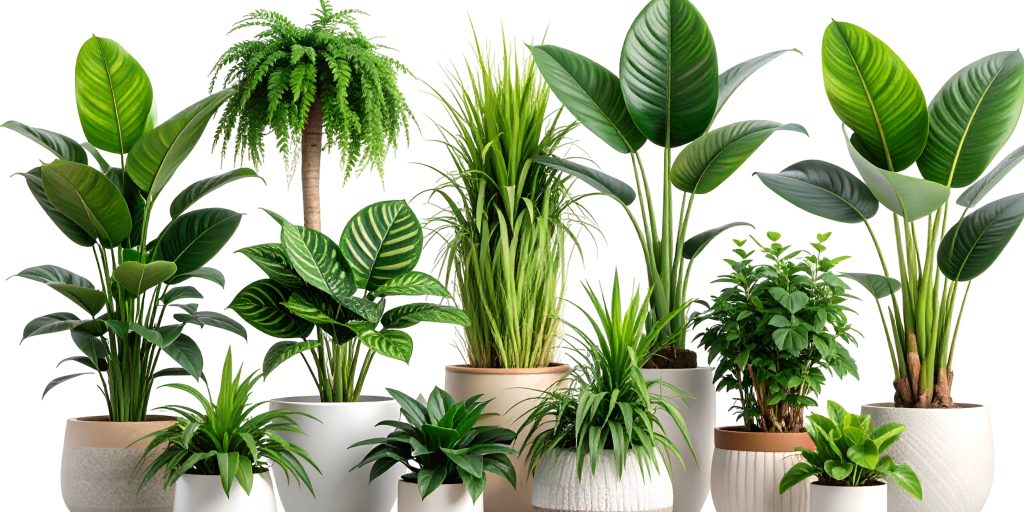
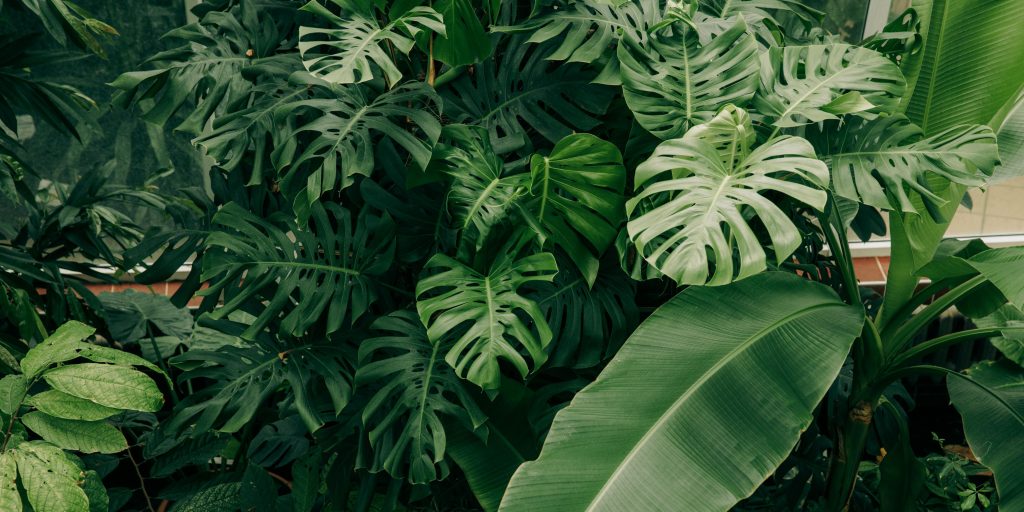
Aroids are some of the most loved houseplants in the world. Monsteras, Philodendrons, Anthuriums, Alocasias, Syngoniums, Epipremnums and many other tropical plants belong to this group. They are known for dramatic leaves, climbing growth, strong roots and a beautiful jungle-like appearance. But behind every healthy aroid is one thing many plant owners underestimate: the right soil mix.
Aroids do not thrive in dense, heavy, waterlogged soil. They need a substrate that is airy, chunky, well-draining and moisture-balanced. Their roots need oxygen as much as they need water. When the soil becomes too compact, roots can suffocate, growth slows down and the risk of root rot increases.
This is why aroid soil is different from regular potting soil. A good aroid mix is not just “soil”. It is a carefully balanced growing environment made from organic and mineral components that support drainage, airflow, moisture control and root development.
This guide explains what aroids need, which ingredients make a good aroid substrate, how to mix your own aroid soil and when a ready-made PlantNest Aroid Soil Mix is the better choice.
What makes aroids different?
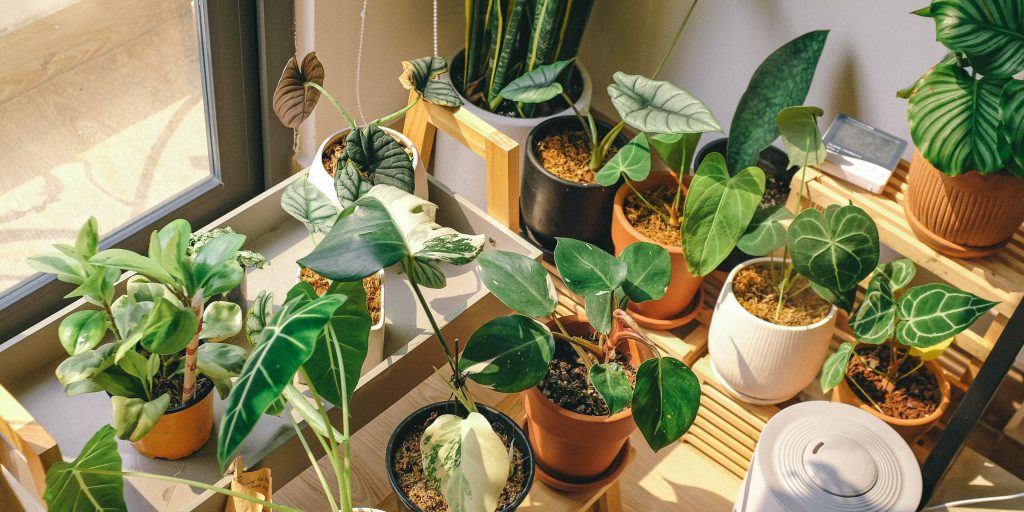
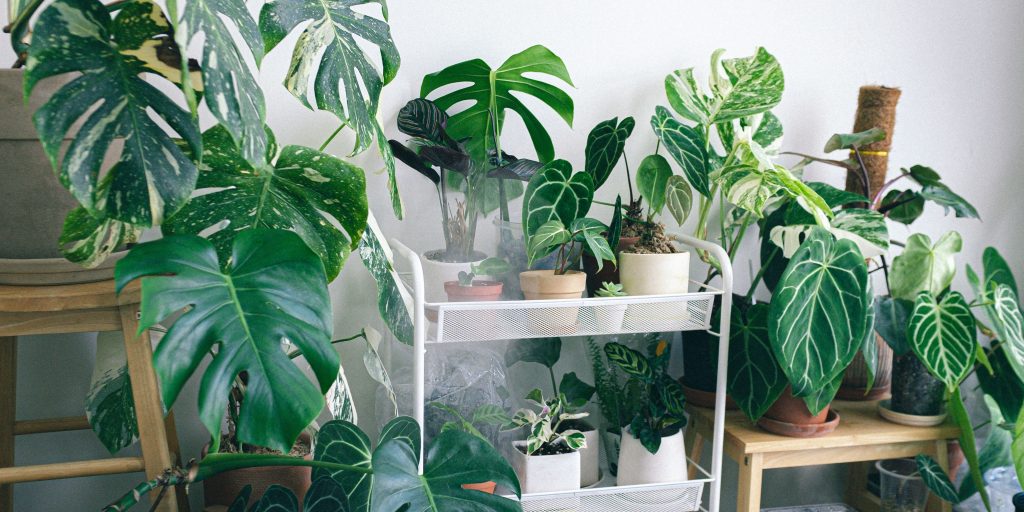
Aroids are tropical plants that often grow in rainforest environments. Many of them are not naturally rooted in dense ground soil. Instead, they grow in loose organic matter, around tree roots, on forest floors or as climbing plants with roots that attach to bark and other surfaces.
This natural growth habit explains why they prefer a chunky and breathable substrate indoors. In their natural environment, water moves through layers of bark, leaves, wood, moss and mineral particles. The roots receive moisture, but they are not trapped in stagnant, wet soil.
Inside a pot, the environment is completely different. The plant depends only on the substrate you provide. If the mix is too dense, water stays around the roots for too long. If the mix is too loose and dry, the plant may struggle to stay hydrated. The goal is balance.
Aroid soil should hold some moisture, but never stay soggy. It should allow excess water to drain away while keeping enough humidity around the roots. It should be open enough for oxygen to move through the pot and structured enough to support the plant as it grows.
Why regular potting soil is not enough
Regular potting soil can work for some basic houseplants, but it is usually not the best choice for aroids. Many standard mixes are too fine, too compact and too moisture-retentive. After repeated watering, they can become heavy and dense. This reduces airflow and makes it harder for roots to grow.
For aroids, this can lead to several common problems:
- Slow or weak growth.
- Yellowing leaves.
- Drooping after watering.
- Root rot.
- Soil that stays wet for too long.
- Fungus gnats.
- Compacted soil around the roots.
- Roots growing only around the edge of the pot.
These problems are often blamed on watering mistakes, but the substrate is frequently the real cause. Even careful watering cannot fully solve a soil mix that holds too much water or lacks structure.
A proper aroid mix makes plant care easier because it creates a more forgiving root environment. Water can move through the pot, oxygen can reach the roots and the plant has space to build a stronger root system.
The four main goals of aroid soil
A good aroid substrate should do four things well: drain, breathe, hold balanced moisture and support root growth.
1. Drainage
Aroids enjoy moisture, but they do not like sitting in wet soil. Drainage allows excess water to leave the pot after watering. This helps reduce the risk of root rot and keeps the root zone healthier.
2. Aeration
Roots need oxygen. A chunky mix creates air pockets throughout the substrate. These air spaces help roots breathe and grow actively.
3. Moisture balance
Aroid soil should not dry out immediately. It should hold enough moisture for tropical plants, but it should never become muddy or waterlogged.
4. Structure
Aroids often grow strong, thick or climbing roots. They benefit from a substrate with texture and stability. Ingredients such as pine bark, perlite, pumice and expanded clay help create a structure that roots can move through naturally.
Essential ingredients in an aroid soil mix
A good aroid soil mix usually contains a combination of organic and mineral materials. Each ingredient has a purpose. The best results come from understanding what each component does, rather than mixing ingredients randomly.
Pine bark
Pine bark is one of the most important ingredients in an aroid mix. It adds chunkiness, structure and airflow. It helps prevent the substrate from becoming dense and compacted.
For aroids, pine bark creates a more natural root environment. Many aroids enjoy growing around woody, organic material. Bark gives roots something to move around and attach to, while also helping the mix stay open.
Pine bark also supports drainage. Water moves more easily through a substrate that contains larger particles, which helps prevent the root zone from staying wet for too long.
Perlite
Perlite is a lightweight volcanic mineral that improves drainage and aeration. It creates small air pockets inside the substrate and helps keep the mix loose.
In aroid soil, perlite is especially useful because it reduces compaction and makes the substrate more breathable. It does not provide nutrients, but it improves the physical structure of the mix.
Perlite is also helpful for plant owners who struggle with overwatering. By improving water movement through the pot, it helps reduce the risk of soggy roots.
Pumice
Pumice is another mineral component that supports aeration and drainage. Unlike perlite, it is heavier and more stable in the mix. It helps create long-lasting structure and can hold small amounts of moisture and nutrients in its pores.
For aroids with thicker roots, pumice is excellent because it creates a firm but breathable environment. It improves oxygen flow while helping the substrate stay stable over time.
Expanded clay
Expanded clay helps with structure, drainage and airflow. It is lightweight, porous and useful for keeping the substrate open. In aroid mixes, it supports water movement and helps prevent compaction.
Expanded clay can also improve the physical stability of the mix, especially in larger pots or for plants with bigger root systems.
Zeolite
Zeolite is a mineral ingredient often used to support moisture and nutrient management. It can help the substrate hold and release nutrients more efficiently while also supporting balance in the root zone.
In an aroid mix, zeolite works well alongside bark, perlite and pumice. It helps create a substrate that is not only airy and well-draining, but also more stable for long-term plant growth.
Base substrate
A base substrate provides the foundation of the mix. It usually contains organic matter and nutrients that support the plant. On its own, however, a base substrate may be too fine or too moisture-retentive for many aroids. That is why it should be combined with structural ingredients.
When mixed with pine bark, perlite, pumice, expanded clay or zeolite, the base substrate becomes part of a more balanced growing environment.
A simple DIY aroid soil recipe
If you want to mix your own aroid soil at home, you can use a basic formula built around airiness, structure and balanced moisture.
A beginner-friendly aroid mix can look like this:
- One part high-quality base substrate.
- One part pine bark.
- One part perlite or pumice.
- A smaller amount of expanded clay or zeolite.
This creates a light, chunky and breathable mix suitable for many common aroids such as Monstera, Philodendron, Epipremnum and Syngonium.
For plants that prefer more moisture, such as some Anthuriums and Alocasias, use slightly more base substrate and balance it with chunky ingredients. For plants that dislike staying wet, increase the mineral components to improve drainage.
The goal is not to follow one recipe blindly. The goal is to understand the plant’s needs and adjust the mix accordingly.
How to mix aroid soil step by step
Start with a clean container or bucket. Add the base substrate first. Break up any clumps with your hands so the texture is loose and even.
Next, add pine bark. Mix it thoroughly so the chunky pieces are evenly distributed. This prevents the substrate from having dense areas and overly loose areas.
Then add perlite, pumice or both. These ingredients create air pockets and improve drainage. Mix again until the texture feels open and lightweight.
Add expanded clay or zeolite if you want more structure and stability. These components are especially useful for plants with larger root systems or for pots that need better long-term aeration.
Once everything is mixed, check the texture with your hands. A good aroid mix should feel loose, airy and slightly chunky. It should not feel heavy, muddy or sticky. When squeezed gently, it may hold together slightly, but it should break apart easily.
Before using the mix, lightly moisten it. This helps reduce dust and makes the substrate easier to settle around the roots during repotting.
How to know ff your aroid mix is good
A good aroid mix has a few clear qualities:
- It feels light in the hand.
- It contains visible chunky particles.
- Water drains through it easily.
- It does not become muddy after watering.
- It keeps some moisture without staying wet for too long.
- It does not compact quickly.
- Roots can grow through it easily.
After watering, excess water should leave the pot through the drainage holes. The substrate should become evenly moist, but not saturated for days. Over time, the mix should remain open and breathable.
If the soil becomes dense, smells unpleasant or stays wet for too long, it needs more structural ingredients. If it dries too quickly and the plant wilts often, it may need more moisture-retentive components.
Matching the mix to different aroids
Not every aroid wants exactly the same substrate. The basic principle is always the same: drainage, airflow and balanced moisture. But the exact texture can change depending on the plant.
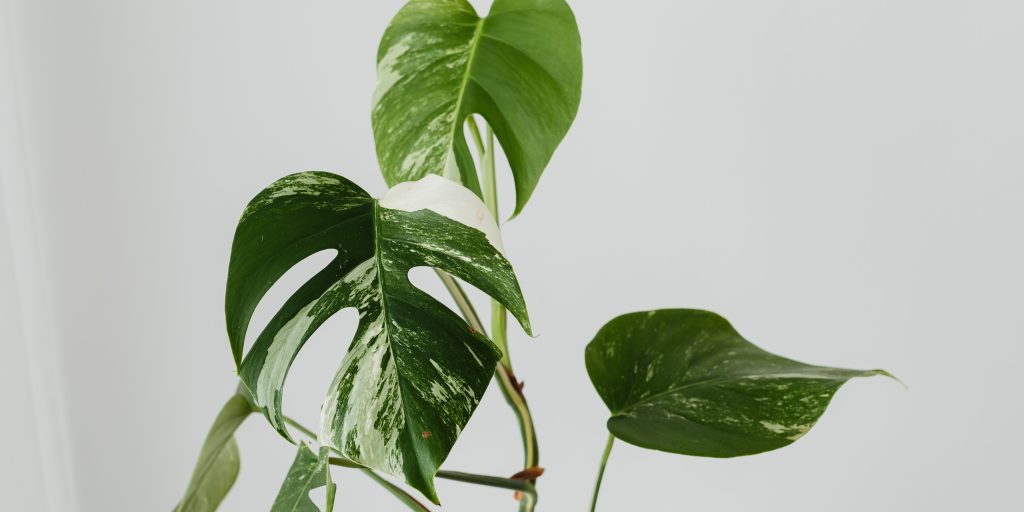
Monstera
Monsteras usually prefer a chunky, airy mix with good drainage and stable moisture. Their roots are strong and appreciate structure. Pine bark, perlite, pumice and zeolite are excellent ingredients for Monstera soil.
Philodendron
Philodendrons also benefit from an airy and structured substrate. Climbing Philodendrons often grow especially well in mixes that contain bark and mineral particles because their roots enjoy oxygen and space.
Anthurium
Anthuriums often need a very breathable mix. Many types dislike dense soil around their roots. A substrate with bark, perlite and expanded clay can help create the airy structure they prefer.
Alocasia
Alocasias like moisture, but they are sensitive to root rot if the mix stays wet for too long. Their soil should hold some moisture while still draining efficiently. A balanced aroid mix is ideal.
Syngonium and Epipremnum
These plants are generally more forgiving, but they still grow better in a loose, well-draining mix than in dense potting soil. A lighter aroid mix helps prevent overwatering and supports healthy root growth.
DIY aroid mix vs. ready-made aroid soil
Mixing your own aroid soil can be rewarding. It gives you control over the texture and allows you to adjust the blend for different plants. It can also be useful if you already have several ingredients at home.
However, DIY mixing also has disadvantages. You need to buy multiple components, store them properly and understand how to balance them. Too much of one ingredient can make the mix too dry, too wet, too loose or too dense.
A ready-made aroid soil saves time and removes guesswork. A high-quality pre-mixed substrate is already balanced for the plant group, which makes it easier for beginners and more convenient for experienced collectors.
PlantNest Aroid Soil Mix is designed for tropical aroids such as Monstera, Philodendron, Alocasia and Anthurium. It combines organic and mineral components to support excellent drainage, stable moisture retention and strong root aeration. This makes it a practical choice for anyone who wants the benefits of a professional aroid mix without mixing every ingredient by hand.
Why PlantNest aroid soil mix works
PlantNest Aroid Soil Mix is built around the needs of tropical root systems. It is airy, structured and well-draining, while still holding enough moisture for healthy indoor growth.
Its combination of components supports four essential needs:
- Fast drainage to reduce the risk of waterlogged roots.
- Airy structure to improve oxygen flow.
- Balanced moisture to keep roots hydrated without becoming soggy.
- Strong root support for stable, long-term growth.
This makes it suitable for many popular aroids, including Monstera, Philodendron, Anthurium and Alocasia.
For plant owners, this means easier watering, healthier roots and less uncertainty. Instead of guessing whether a DIY mix is balanced correctly, PlantNest provides a ready-to-use substrate created specifically for aroids.
Common mistakes when mixing aroid soil
Aroid soil is not difficult to mix, but several mistakes can cause problems.
Using too much regular soil
If the mix contains too much fine potting soil, it may still become dense and water-retentive. Aroid soil needs enough chunky material to remain breathable.
Forgetting drainage
A beautiful mix is useless if the pot has no drainage holes. Always use a pot that allows excess water to escape.
Making the mix too dry
Some plant owners add too many mineral components and create a mix that dries too quickly. Aroids still need moisture. The goal is balance, not extreme dryness.
Compacting the soil too hard
When repotting, gently settle the mix around the roots, but do not press it down firmly. Hard compaction removes the air pockets that make aroid soil effective.
Using the same mix for every plant
Aroids share many needs, but they are not identical. A Monstera may tolerate a chunkier mix than a moisture-sensitive Alocasia. Always adjust watering and substrate texture to the plant.
How to repot an aroid into fresh soil
Choose a pot with drainage holes and select a size only slightly larger than the current pot. A pot that is too large can hold excess moisture.
Remove the plant gently from its old pot and inspect the roots. Healthy roots should feel firm. Remove any dead, black or mushy roots with clean scissors.
Add a base layer of fresh aroid mix to the new pot. Place the plant so the crown sits at the same level as before. Fill around the roots with substrate and gently settle the mix.
Water thoroughly until water flows from the drainage holes. Let the pot drain fully before placing it back into a decorative cover pot.
After repotting, keep the plant in bright, indirect light and avoid overwatering. The roots need time to adjust and grow into the fresh substrate.
How to store aroid soil
If you mix your own aroid soil, store it in a clean container with a lid. Keep it in a dry, cool place away from direct sunlight. Make sure the mix is not soaking wet before storage, because trapped moisture can lead to mould or unpleasant smells.
Shake or stir the mix before using it again. Heavier components may settle at the bottom, while lighter materials can rise to the top. Mixing before use ensures an even texture.
Ready-made PlantNest substrates should also be stored properly after opening. Close the bag well and keep the substrate clean and protected from pests or excess moisture.
Build better roots with the right aroid soil
Aroids grow best when their roots have the right balance of air, moisture and structure. Regular potting soil is often too dense for these tropical plants, but a well-designed aroid mix creates the conditions they need to thrive.
Whether you mix your own soil or choose a ready-made blend, the goal is the same: a breathable, chunky and moisture-balanced substrate that supports strong roots and healthy foliage.
PlantNest Aroid Soil Mix makes this process simple. It gives your plants a professional-quality foundation without the guesswork of DIY mixing. With the right substrate, watering becomes easier, roots grow stronger and your aroids can focus on what they do best: producing beautiful, healthy leaves.
Strong plants start with strong roots. And strong roots start with the right aroid soil.
Products by Category
-
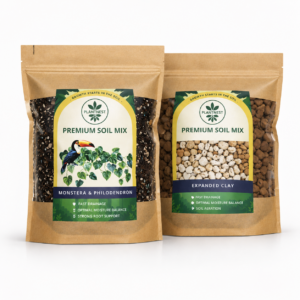
Monstera & Philodendron growing kit
Price range: 9,90 € through 15,90 € -
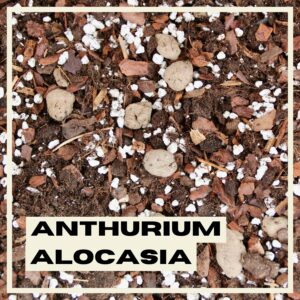
PlantNest Anthurium & Alocasia soil mix
Price range: 6,90 € through 12,90 € -
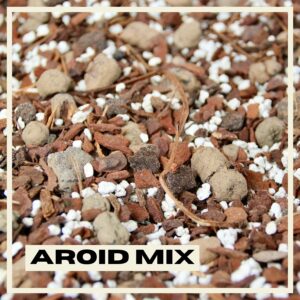
PlantNest Aroid soil mix
Price range: 6,90 € through 12,90 € -
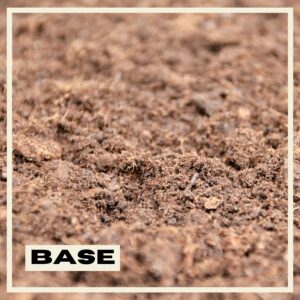
PlantNest Base soil
Price range: 4,90 € through 6,90 € -
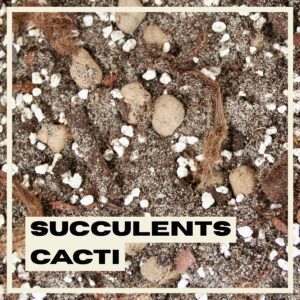
PlantNest Cacti & Succulent soil mix
Price range: 6,90 € through 12,90 € -
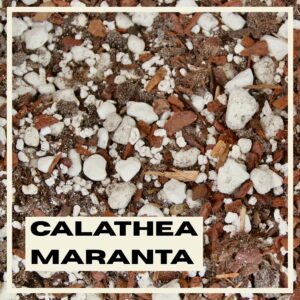
PlantNest Calathea & Maranta soil mix
Price range: 6,90 € through 12,90 € -
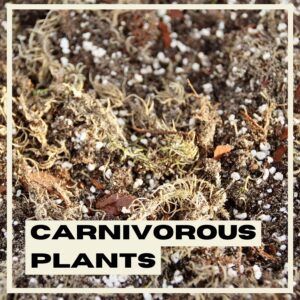
PlantNest Carnivorous soil mix
Price range: 6,90 € through 12,90 € -
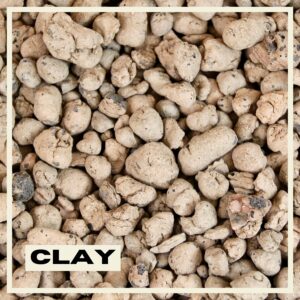
PlantNest Expanded clay
Price range: 5,90 € through 11,90 € -

PlantNest Fern soil mix
Price range: 6,90 € through 12,90 €