
Sphagnum moss is one of the most useful materials in indoor plant care. It is light, airy, moisture-retentive and extremely versatile. Plant lovers use it for propagation, moss poles, orchids, aroids, terrariums, humidity boxes and custom substrate mixes. But to get the best results from sphagnum moss, it must be stored correctly.
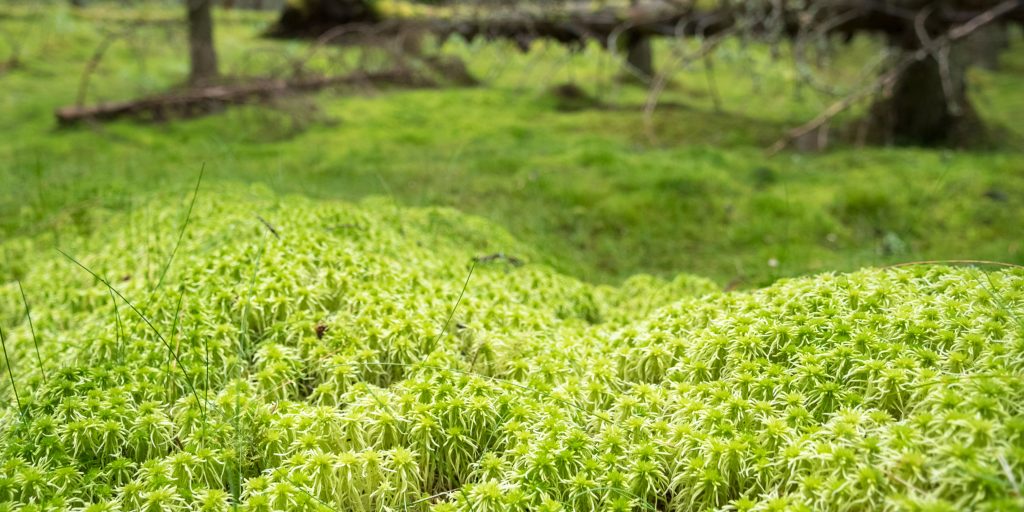
Poor storage can make sphagnum moss dry out too much, become mouldy, lose structure or develop an unpleasant smell. Live sphagnum moss and dry sphagnum moss also need different storage conditions. Live moss must stay moist and bright enough to remain active, while dry moss should be protected from moisture until it is ready to use.
This guide explains how to store sphagnum moss properly, how to keep it clean, when to rehydrate it, how to prevent mould and how to use it safely for healthy plant growth.
What Is sphagnum moss?
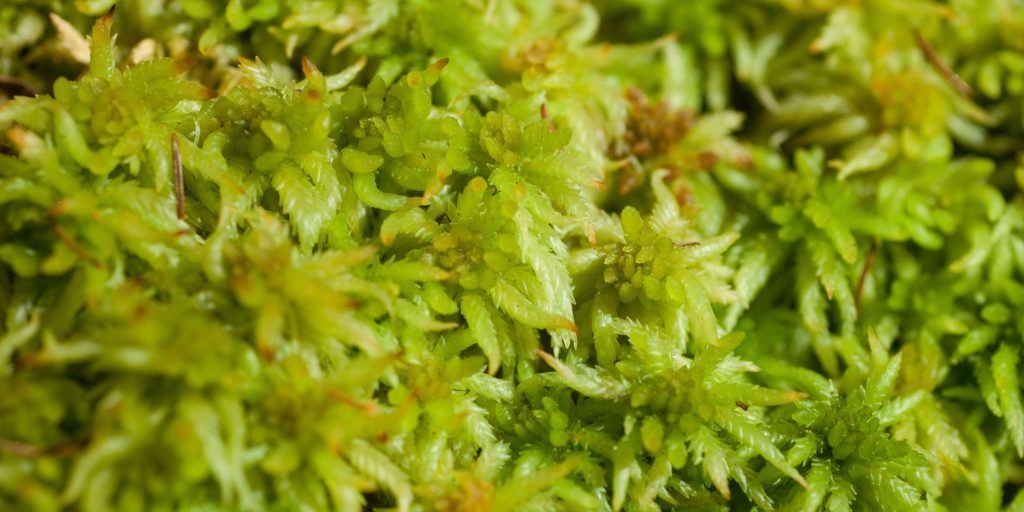
Sphagnum moss is a natural moss known for its ability to hold moisture while staying lightweight and breathable. In plant care, it is commonly used because it can create a humid, airy environment around roots and cuttings.
Unlike dense soil, sphagnum moss does not become heavy when used correctly. Its structure allows moisture to stay available while still leaving space for air movement. This makes it especially helpful for plants that need humidity around the roots but do not tolerate stagnant, compacted conditions.
Sphagnum moss is popular for:
- Rooting cuttings.
- Air layering.
- Moss poles.
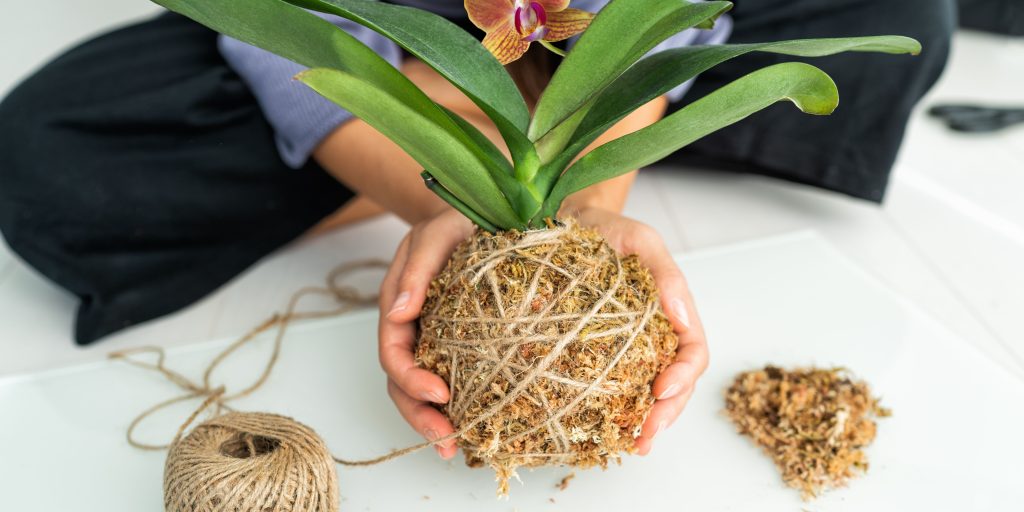
- Orchid care.
- Terrariums.
- Humidity boxes.
- Aroid propagation.
- Mixing into airy substrates.
- Supporting delicate roots.
The key benefit is balance. Sphagnum moss can hold moisture, but it also stays open and breathable when prepared correctly. This is why it works so well with tropical plants such as Monstera, Philodendron, Anthurium, Alocasia, Hoya and orchids.

Live sphagnum moss vs. dry sphagnum moss
Before storing sphagnum moss, it is important to know which type you have.
Live sphagnum moss is still active. It usually has green, yellow, pink or reddish tones depending on the type and growing conditions. It needs moisture, humidity and indirect light to stay alive. If it dries out completely for too long, it may lose vitality.
Dry sphagnum moss has been harvested, cleaned and dried. It is usually pale beige, cream or light brown. It is not actively growing, but it can be rehydrated before use. Dry sphagnum moss is easier to store long term because it does not need light, watering or constant care.
Both forms are useful, but they should not be stored the same way. Live moss needs controlled moisture. Dry moss needs protection from unwanted moisture.
How to store live sphagnum moss
Live sphagnum moss should be stored in a humid, bright and clean environment. The goal is to keep it moist enough to stay alive, but not so wet that it starts to rot.
A clear plastic container, terrarium box or propagation box works well. The container helps maintain humidity while protecting the moss from drying out too quickly. If the container has a lid, open it occasionally to allow fresh air exchange. This helps reduce the risk of mould and stagnant conditions.
Live sphagnum moss should feel damp, not soaking wet. If water pools at the bottom of the container, the moss is too wet. Excess water can reduce airflow and encourage decay. If the moss becomes crispy or pale, it is too dry and should be misted or lightly rehydrated.
Place live sphagnum moss in bright, indirect light. Direct sun can dry it out or overheat the container. A bright windowsill with filtered light or a shelf under grow lights can work well. Avoid dark storage spaces, because live moss needs light to remain healthy.
Best conditions for live sphagnum moss
Live sphagnum moss stores best when three conditions are balanced: humidity, light and airflow.
Humidity keeps the moss from drying out. A closed or semi-closed container helps maintain this moisture.
Light supports the living moss and helps it stay greener for longer. Bright, indirect light is best.
Airflow prevents stale, wet conditions. Even if the moss is stored in a closed box, it should be opened regularly.
A good routine is to check live moss once or twice per week. If it feels dry, mist it lightly. If it smells unpleasant or looks slimy, remove affected parts and increase airflow.
Live sphagnum moss should never be treated like a dry product. It is a living material and needs a stable environment to remain fresh.
How to store dry sphagnum moss
Dry sphagnum moss is much easier to store than live moss. The main goal is to keep it dry, clean and protected from direct sunlight.
Store dry sphagnum moss in an airtight container, resealable bag or sealed storage box. This protects it from humidity, dust, pests and accidental contamination. A dry pantry, cupboard, storage room or plant care shelf is usually suitable.
Keep dry sphagnum moss away from direct sunlight. Long-term exposure to heat and strong light can reduce quality and make the moss more brittle. A cool, dark and dry place is ideal.
Do not store dry sphagnum moss in a damp room, near open water or in a humid greenhouse unless it is sealed properly. If dry moss absorbs moisture during storage, it may start to develop mould before you even use it.
Before closing the container, make sure the moss is completely dry. If you have rehydrated more moss than you need, do not immediately put the wet leftovers back with dry moss. Let them dry separately or store them as moist moss for short-term use.
How long can sphagnum moss be stored?
Dry sphagnum moss can be stored for a long time when kept in the right conditions. It should remain dry, clean and protected. If it smells fresh and natural, has no mould and keeps its fibrous structure, it is usually still suitable for use.
Live sphagnum moss has a shorter storage life because it depends on care. If kept moist, bright and clean, it can remain usable for a long time. However, if it is left too wet, too dark or without airflow, it can deteriorate quickly.
The best approach is to check stored moss regularly. Sphagnum moss is easy to maintain when small issues are caught early.
How to rehydrate dry sphagnum moss
Dry sphagnum moss must be rehydrated before use. Place the amount you need into a clean bowl or container and add water. Let it soak until it becomes soft, flexible and fully hydrated.
After soaking, gently squeeze out excess water. The moss should be moist, not dripping. This is especially important for propagation and moss poles. If sphagnum moss is too wet, it can reduce oxygen around roots and cuttings. If it is too dry, it cannot provide enough humidity.
For sensitive plants, rainwater, distilled water or filtered water can be useful. This helps avoid unnecessary mineral build-up, especially when using moss for propagation, orchids or delicate tropical plants.
Only rehydrate the amount you need. This keeps the rest of the dry moss fresh and easier to store.
How to prevent mould in stored sphagnum moss
Mould is usually caused by too much moisture, poor airflow or contaminated storage conditions. To prevent mould, always start with clean hands, clean tools and a clean container.
For dry moss, keep it dry and sealed. Moisture is the main problem. If dry moss gets wet during storage, separate it from the rest and inspect it carefully.
For live or moist moss, avoid stagnant conditions. A closed box can maintain humidity, but it should not become a sealed swamp. Open the container regularly, remove dead or slimy pieces and make sure the moss is damp rather than saturated.
Good airflow is important. Sphagnum moss can hold a lot of moisture, but roots and moss both need oxygen. This is the same principle that applies to quality substrates: moisture must be balanced with aeration.
If you notice a small amount of mould, remove the affected section immediately. If the entire container smells bad or has widespread mould, it is safer to discard the moss and start fresh.
Storing sphagnum moss for propagation
Sphagnum moss is widely used for propagation because it creates a moist and airy environment around new roots. Cuttings of Monstera, Philodendron, Hoya, Syngonium and other tropical plants often root well in moist sphagnum.
For propagation, store rehydrated moss separately from dry moss. Keep it in a clean container and use it within a reasonable time. It should stay moist but not wet. If the moss becomes slimy, smells sour or changes texture, replace it.
When preparing moss for cuttings, squeeze out excess water before placing the cutting inside. Roots need moisture, but they also need oxygen. Overly wet moss can create the same problems as waterlogged soil.
A clear propagation box can help maintain humidity. Open it regularly for air exchange and inspect both the moss and the cuttings.
Storing sphagnum moss for moss poles
Sphagnum moss is also commonly used in moss poles for climbing plants. A moss pole gives aerial roots something moist and textured to attach to, especially for plants such as Monstera, Philodendron and Epipremnum.
If you are preparing moss for a pole, rehydrate only the amount you need. Soak it, squeeze out excess water and pack it into the pole structure. The moss should be evenly moist, not dripping.
Unused dry moss should go back into sealed storage. Unused wet moss can be kept short term in a clean container, but it should be checked often. If it begins to smell or develop mould, discard it.
For long-term plant health, the moss inside a pole should not stay permanently soaked. It should be moistened regularly but still have access to airflow. A constantly wet pole can lead to unwanted odours, mould or unhealthy root conditions.
Using sphagnum moss in soil mixes
Sphagnum moss can be used as part of a custom substrate, but it should be added with purpose. It holds moisture very well, so it is useful for plants that appreciate humidity around the roots. However, too much sphagnum in a potting mix can make the substrate stay wet for too long.
For tropical plants, sphagnum moss works best when combined with airy components such as pine bark, perlite, pumice, expanded clay or zeolite. These ingredients help maintain airflow and prevent the mix from becoming too dense.
This balance is central to healthy plant care. Roots need moisture, but they also need oxygen. A substrate that holds water without enough structure can lead to root problems. A substrate that drains too quickly can leave moisture-loving plants stressed.
PlantNest substrates are created with this balance in mind: fast drainage, optimal moisture balance, strong root support and airy structure. When sphagnum moss is used alongside a well-designed mix, it can support humidity and root development without creating heavy, waterlogged conditions.
Common sphagnum moss storage mistakes
One of the most common mistakes is storing wet moss with dry moss. This can ruin the entire batch. Always keep dry moss dry and store hydrated moss separately.
Another mistake is sealing live moss in a container and forgetting about it. Live moss needs care. It should be checked, aired and kept in indirect light.
A third mistake is soaking sphagnum moss too heavily before use. Moss should be moist, not dripping. Excess water can reduce airflow and create unhealthy conditions around cuttings or roots.
Some plant owners also store sphagnum moss near heat sources or direct sunlight. This can dry it out too quickly and reduce quality. Cool, stable storage is better.
Finally, using old or contaminated moss for sensitive cuttings can cause problems. Propagation works best with clean, fresh, properly hydrated moss.
How to tell if sphagnum moss has gone bad
Sphagnum moss should have a natural, earthy smell. It should not smell rotten, sour or strongly unpleasant. Dry moss should feel fibrous and clean. Live moss should look fresh and feel damp, not slimy.
Discard sphagnum moss if:
- It has visible mould throughout the container.
- It smells rotten or sour.
- It feels slimy or mushy.
- It contains pests.
- It has been stored wet for too long without airflow.
- It has changed texture completely.
A small dry colour change does not always mean the moss is unusable. But smell, texture and cleanliness are important. When in doubt, especially for propagation, use fresh moss.
Best storage method for beginners
For beginners, the easiest method is simple.
Keep dry sphagnum moss in a sealed bag or container in a cool, dry cupboard. Rehydrate only the amount needed for each project.
Keep live sphagnum moss in a clear container with humidity, indirect light and occasional airflow. Check it weekly and keep it damp but not soaked.
This simple routine prevents most problems and keeps sphagnum moss ready for plant care.
Why proper sphagnum moss storage matters
Sphagnum moss is valuable because it helps create the right balance of moisture and air. But poor storage can destroy that balance before the moss even reaches your plants.
Correctly stored dry moss stays clean and ready to rehydrate. Correctly stored live moss remains fresher and more useful for terrariums, propagation and plant projects. Clean, well-kept sphagnum moss helps support healthier roots, better propagation results and a more predictable growing environment.
Plant care always starts in the root zone. Whether you are using sphagnum moss for cuttings, moss poles, orchids or custom mixes, the same principle applies: moisture is important, but airflow and cleanliness matter just as much.
Store sphagnum moss properly, and it becomes one of the most reliable tools in your plant care routine.
Final thoughts
Sphagnum moss is simple to use, but proper storage makes a big difference. Dry moss should stay dry, sealed and protected. Live moss should stay moist, bright and ventilated. Rehydrated moss should be used cleanly and never left soaking for too long.
When stored correctly, sphagnum moss remains fresh, practical and ready for many plant care uses. It can help root cuttings, support climbing plants, improve humidity and become part of an airy, moisture-balanced substrate.
Healthy roots need the right environment. With clean, properly stored sphagnum moss and a quality substrate, your plants get the moisture, oxygen and structure they need to grow stronger.