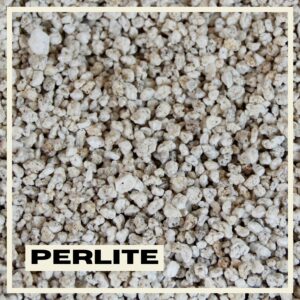
If you have ever opened a bag of quality houseplant substrate and noticed small white particles inside, you have probably seen perlite. At first glance, it may look like tiny pieces of foam, but perlite is not plastic. It is a natural volcanic mineral that has become one of the most important ingredients in modern plant care.

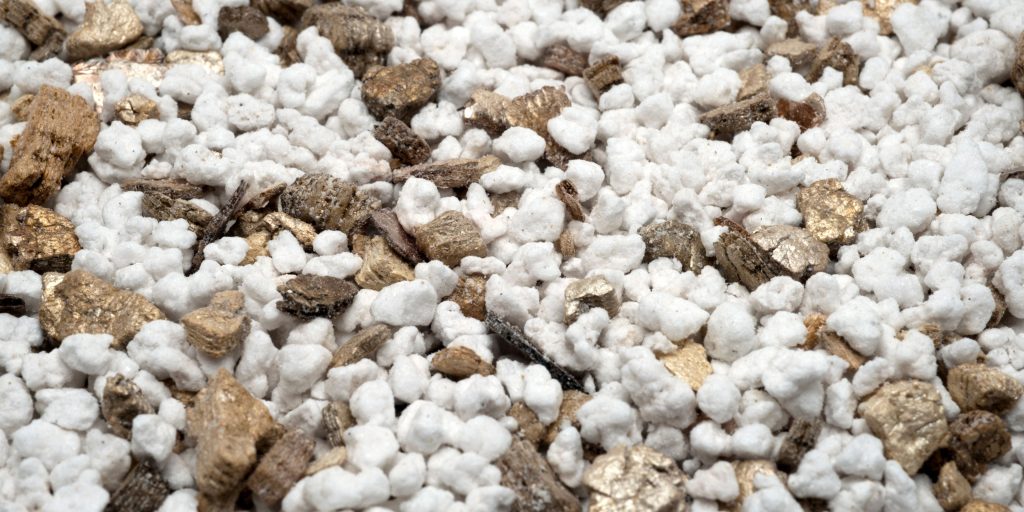
Perlite is used to improve soil structure, increase aeration, support drainage and help roots grow in a healthier environment. It is lightweight, porous and chemically neutral, which makes it suitable for many indoor plants, propagation methods and custom soil blends.
For houseplants, the right substrate is not only about nutrients. It is about balance. Roots need moisture, but they also need oxygen. They need support, but they also need space to expand. A dense, compacted potting mix can hold too much water and reduce airflow around the roots. This is one of the main reasons why plants struggle after watering, even when the watering routine seems correct.
PlantNest Perlite is designed to solve this problem by improving the physical structure of the growing medium. It helps create an airy, well-draining environment where roots can breathe, excess water can escape, and the plant can grow with more stability.
What is perlite?
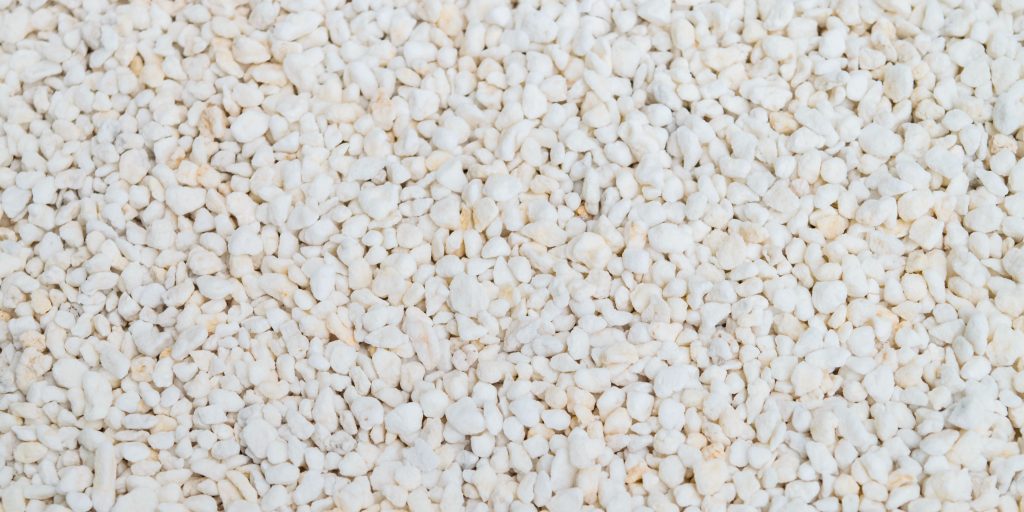
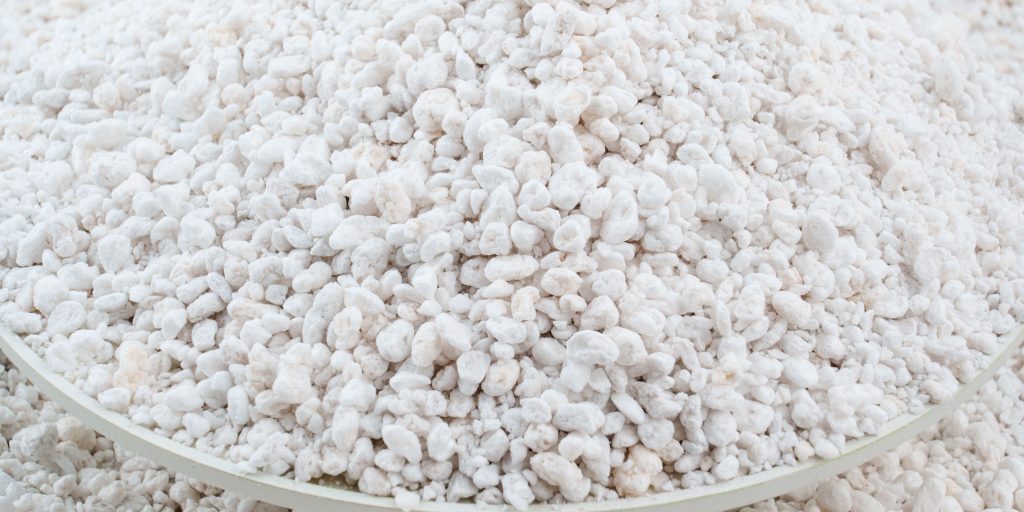
Perlite is a natural volcanic glass that expands when heated at high temperatures. During this process, it becomes lightweight, white and porous. Its expanded structure creates tiny air pockets that make it extremely useful in plant substrates.
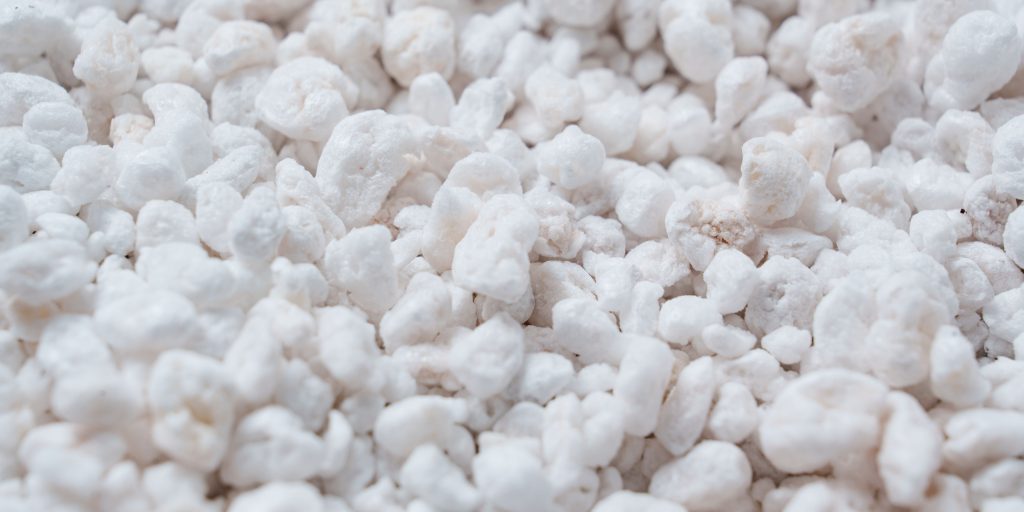
These air pockets are the reason perlite is so valuable. When mixed into soil, perlite helps prevent the substrate from becoming too dense. It creates space for air and water movement, which supports healthier root development.
Perlite does not feed the plant directly. It does not act as fertilizer and it does not provide nutrients in the same way as organic matter or plant food. Its purpose is structural. It improves how the substrate behaves. It helps the mix stay lighter, looser and more breathable.
This makes perlite especially useful for indoor plant care, where roots grow inside a limited pot environment. In nature, water can drain through layers of soil, bark, stones and organic matter. In a pot, everything depends on the growing medium you choose. If the substrate holds too much water or becomes compacted, roots can quickly suffer.
Why perlite is important for root health
Healthy roots need both water and oxygen. Many plant problems begin when the balance between these two elements is lost. If the substrate stays too wet for too long, oxygen is pushed out of the root zone. Without enough oxygen, roots become weak and more vulnerable to rot.
Perlite helps maintain air spaces inside the substrate. These air spaces allow roots to breathe and grow more actively. A better oxygen supply supports stronger root systems, which then support healthier leaves, stronger stems and more consistent growth.
This is especially important after repotting. When a plant is moved into fresh substrate, the roots need time to settle and expand into the new space. A mix that contains perlite gives those roots a lighter and more open structure to grow through.
A compacted mix can make root growth difficult. A breathable mix helps roots spread naturally.
Perlite improves drainage
One of the biggest benefits of perlite is improved drainage. Many houseplants suffer not because they receive too much water once, but because the substrate holds that water for too long.
When excess water cannot drain away, the lower part of the pot stays wet. This creates a hidden problem. The top layer of soil may look dry, but deeper around the roots the mix may still be saturated. If the plant is watered again too soon, the risk of root rot increases.
Perlite helps water move more freely through the substrate. It prevents the mix from becoming heavy and waterlogged. This gives plant owners more control over watering and makes the growing environment more predictable.
Good drainage does not mean that the plant receives no moisture. A balanced substrate should drain excess water while still holding enough moisture for the roots. Perlite helps create this balance by improving structure without making the mix dense.
Perlite prevents soil compaction
Over time, many potting soils become compacted. Fine particles settle together after repeated watering. The mix becomes heavier, tighter and less airy. When this happens, water may either sit inside the pot for too long or run unevenly through channels, leaving parts of the root system too dry and other parts too wet.
Compacted soil limits root growth and reduces oxygen around the roots. It can also make watering harder to manage.
Adding perlite helps keep the substrate open. It separates smaller particles and maintains a looser texture. This is why perlite is often included in premium houseplant mixes. It keeps the soil from collapsing into a dense mass and helps the substrate stay usable for longer.
For indoor plants, this is extremely important. A plant may stay in the same pot for 12 to 18 months before repotting. During that time, the substrate needs to remain stable, breathable and functional.
How to use perlite in houseplant soil
Perlite can be used in different ways depending on the plant and the type of substrate. The easiest method is to mix it directly into potting soil to improve aeration and drainage.
For most common houseplants, perlite can be added to create a lighter and more breathable mix. This is useful for plants such as pothos, philodendrons, monsteras, syngoniums, ficus, peperomias and many other indoor plants that dislike heavy, compacted soil.
For tropical aroids such as Monstera, Philodendron, Anthurium and Alocasia, perlite works especially well when combined with structural ingredients such as pine bark, pumice, expanded clay or zeolite. These plants benefit from an airy substrate that allows oxygen to reach the roots while still maintaining stable moisture.
For cacti and succulents, perlite can help create a fast-draining substrate. These plants need a mix that does not stay wet for long periods. Combining perlite with mineral components and a suitable base substrate helps reduce the risk of excess moisture around sensitive roots.
For propagation, perlite can also be used as part of a rooting medium. Its light and airy texture helps cuttings develop roots in a clean, well-draining environment. It can be used alone in some propagation methods or combined with other materials depending on the plant and humidity conditions.
How much perlite should you add?
The right amount of perlite depends on the plant and the goal of the mix.
For general houseplants, a moderate amount of perlite is usually enough to improve drainage and aeration. For plants that prefer a very airy root environment, a higher percentage may be useful. For succulents and cacti, the mix should be more mineral and fast-draining. For moisture-loving plants, perlite should be balanced with ingredients that also help retain water.
The goal is not to make every substrate extremely dry. The goal is to create the correct balance for the plant.
Aroids need air and moisture. Cacti need fast drainage. Calatheas and Marantas need stable moisture with good airflow. Orchids need structure and oxygen around their roots. This is why plant-specific substrates are often the easiest and safest choice.
PlantNest uses perlite as part of carefully balanced mixes where each ingredient has a purpose. In a good substrate, perlite works together with other components instead of acting alone.
Perlite in PlantNest soil mixes
PlantNest substrates are created around the needs of real indoor plants. Instead of relying on one generic soil for every species, PlantNest offers blends designed for different plant groups.
In PlantNest Universal Soil Mix, perlite helps improve drainage and permeability while the base substrate provides nutrients and pine bark adds structure. This makes the mix suitable for many common indoor plants and regular repotting.
In PlantNest Aroid Soil Mix, perlite supports airflow and drainage alongside pine bark, expanded clay and zeolite. This creates a structured, breathable environment for tropical plants such as Monstera, Philodendron, Alocasia and Anthurium.
In PlantNest Monstera & Philodendron Soil Mix, perlite works with pumice, zeolite and pine bark to support oxygen flow, fast drainage and stable moisture retention. This is important for plants with active root systems and large foliage.
In PlantNest Cacti & Succulent Soil Mix, perlite supports rapid drainage and helps prevent the substrate from staying wet for too long.
This is the real strength of perlite: it becomes even more effective when combined with the right ingredients for the right plant.
Perlite vs. vermiculite
Perlite and vermiculite are often compared because both are lightweight mineral additives used in plant care. However, they behave differently.
Perlite is mainly used to improve drainage and aeration. It creates a looser, airier substrate and helps water move through the mix more easily.
Vermiculite holds more moisture. It is useful in mixes where water retention is more important, such as seed starting or substrates for plants that prefer consistently moist conditions.
For many houseplants, perlite is the better choice when the goal is to prevent compaction, improve drainage and reduce the risk of waterlogged roots. For plants that need more moisture, perlite can still be useful, but it should be balanced with components that hold water more effectively.
The key is understanding what the plant needs. A desert plant and a rainforest plant do not want the same substrate.
When should you use perlite?
Perlite is useful when the soil feels too heavy, dries unevenly or stays wet for too long. It is also helpful when repotting plants that have suffered from poor drainage or compacted soil.
Use perlite when:
- Your substrate feels dense or heavy.
- Water drains too slowly from the pot.
- The plant is prone to root rot.
- The soil becomes compacted after watering.
- You want to improve airflow around the roots.
- You are preparing a custom mix for aroids, succulents or common houseplants.
- You are propagating cuttings and need a clean, airy medium.
- You want to improve an existing potting mix.
Perlite is especially useful for indoor plants grown in plastic pots, decorative cover pots or environments with lower light, where soil dries more slowly.
When should you be careful with perlite?
Perlite is very useful, but it should be used with purpose. Adding too much perlite to a moisture-loving plant mix may cause the substrate to dry too quickly. Plants such as Calatheas, Marantas and some Alocasias may need more moisture stability, so perlite should be balanced with ingredients that retain water.
Perlite is also lightweight. If it is not mixed evenly, it may rise to the surface over time during watering. This is normal and does not mean the substrate is damaged. Mixing it well with other components helps keep the structure more even.
Because perlite can create dust when dry, it is best to handle it carefully. Lightly moistening it before mixing can reduce dust and make it easier to work with.
Why PlantNest perlite is a smart addition to plant care
PlantNest Perlite is a simple but powerful tool for improving substrate quality. It helps loosen heavy soils, increases oxygen circulation, improves drainage and supports healthy root development.
It can be used as a standalone soil amendment or as part of a custom mix. It is suitable for repotting, propagation, seed starting and improving the structure of existing substrates.
For beginners, perlite makes plant care more forgiving by reducing the risk of dense, waterlogged soil. For experienced plant collectors, it offers better control over substrate structure and watering behaviour.
Whether you are repotting a Monstera, preparing a mix for succulents, rooting cuttings or upgrading a basic potting soil, perlite helps create a healthier root environment.
Better soil structure starts with perlite
A plant’s health begins in the root zone. Leaves may show the first visible signs of stress, but the cause is often hidden inside the pot. Poor drainage, compacted soil and lack of oxygen can all weaken the root system before the plant shows obvious symptoms.
Perlite helps prevent these problems by improving the physical structure of the substrate. It keeps the mix lighter, more breathable and easier to manage. It supports the balance between air and moisture that healthy roots need.
PlantNest Perlite is not just a white particle in the soil. It is a structural ingredient that helps create better conditions for stronger roots, healthier growth and easier plant care.
When roots can breathe, plants can thrive.